


Root Canal Procedure
Medically Reviewed by: Robert E. Steinberger, DDS
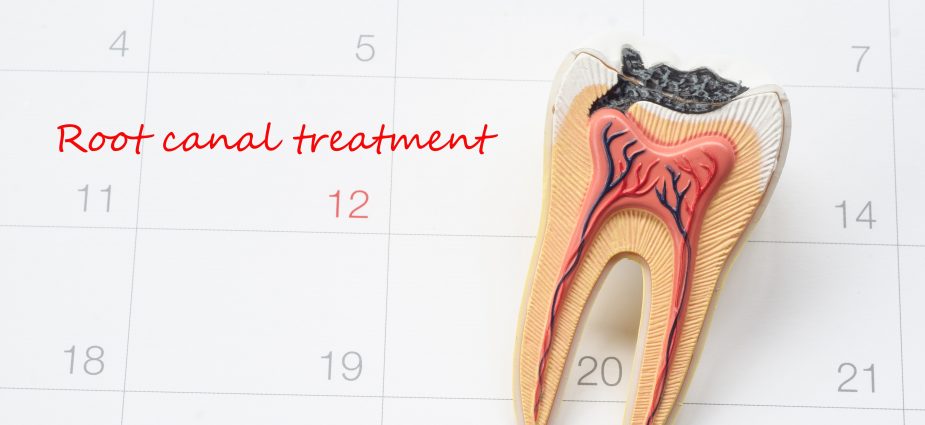
A root canal is a dental procedure that is used to remove diseased pulp tissue from the interior of a tooth. The narrow channels beneath the pulp chamber in the inner part of the tooth are hollowed out and cleaned, and the roots are filed with flexible nickel titanium files. Root canal therapy restores and saves an average of 17 million teeth each year. Keep your tooth and stop the pain – sounds better than a tooth extraction, right?
A tooth is made up of three main components: a hard protective shell referred to as enamel, a softer and sensitive middle layer referred to as dentin and a soft tissue inner layer referred to as dental pulp. Dental pulp is composed of nerve tissue, lymph tissue and blood vessels, and is considered to be the vital part of a tooth. If dental pulp is sufficiently traumatized – whether by exposure to oral bacteria via deep dental caries, a fracture in the tooth that enters the pulp or a forceful blow to the face – the tooth begins to die and root canal therapy is often required in order to prevent or eliminate infection and prevent tooth loss.
A root canal procedure involves tooth disinfection and the removal of all debris (nerve tissue, lymph tissue, blood tissue, bacteria and infection) from the coronal pulp chamber and its associated canals. Once an affected tooth’s canals are sufficiently cleansed and shaped, they are filled with materials designed to prevent pain and infection from recurring. It’s essential that a seal is established at the tip of the root, otherwise the risk of failure is increased substantially. Any leaking into the root canal risks failure.
Signs of Infection
Certain signs may indicate that you have a diseased tooth or infected nerve and therefore may need a root canal. These signs include:
- Minimal to severe pain.
- Tooth discoloration.
- Swelling and irritation in the surrounding gum tissue.
- Signs of infection visible on a radiograph.
- Significant or severe temperature sensitivity.
- Inability to bite down.
Dentists typically recommend a root canal in such situations to save the affected tooth and preserve its functionality.
Why Are the Associated Toothaches So Painful?
Nerve fibers, blood, and lymph tissues are housed in the root canals. Located inside each tooth is a pulp chamber that funnels into those canals.
A tooth can become inflamed or infected for several reasons, including severe tooth decay, a crack or chip in the tooth, or trauma. Failing restorations such as dental fillings and dental crowns can foster bacterial leakage into the dental pulp. Once infected, the dental pulp begins to die, and the body’s inflammatory responses set it. The combination of infection and inflammation can cause significant pain. The end result is a toothache.
In cases where tooth extraction is the only solution, the missing tooth may be replaced with a dental implant or dental bridge to maintain functionality. By replacing the missing tooth, a proper bite is maintained, and the surrounding teeth are prevented from shifting. Because a severe infection can be very dangerous, it is important to receive a professional evaluation by a dentist who can look deeper into the cause of a toothache. If an infection spreads beyond the jaw to the head and neck, then more extensive medical treatment, including hospitalization, may be required.
Root Canal Procedure
At the first dental visit, you may be prescribed antibiotic treatment for a number of days before the root canal procedure is performed. At the beginning of the procedure, your dentist will isolate the tooth using a rubber dam and anesthetize the tooth sufficiently to prevent pain while performing the procedure.
A drill is then used to access the pulp chamber and associated canals of the tooth. Using flexible nickel titanium pin-like files, the dentist will delicately (but thoroughly) cleanse the length of the canals and tip (or apex) of the root to completely remove all traces of infection or debris. This process is performed with a great deal of care in order to minimize damage or trauma to the surrounding ligaments and bone. To accomplish this, the dentist may use additional tools to measure the root. These tools may include digital X-rays taken during the cleaning phase, an apex locator that works as an electrical probe to locate the tip of the root and a microscope providing up to 32-times magnification.
Your dentist will then disinfect and seal the tooth. Some dentists and endodontists use a special type of heat gun to fill the canal with a material called gutta-percha. Gutta-percha is a natural, biocompatible, anti-bacterial material that expands and seals the hollowed area within the span of about 15 minutes. Other dentists and endodontists may use the bonding process to seal the tooth with a resin material. The dentist then fills the canal’s access hole with a temporary or permanent filling.
On occasion, a temporary filling is placed in the hole used to access the root canals in order to allow time for healing. Once the tooth is deemed to be healing properly and the root canal deemed a success, a permanent restoration (such as a dental filling, post or crown) is placed. During the interim, you may receive medication to manage the soreness and discomfort that may result from the procedure.
How Much Does Treatment Cost?
The cost of a root canal procedure may range from $900 to $1,850, and the cost of the post and core procedure to strengthen the tooth is approximately $260 to $360, not including the cost of a crown restoration. Pulp vitality tests cost about $45, and pulp capping procedures cost about $65, not including the cost of the final restoration. The cost for re-treating previous root canal therapy can be as much as double the cost as standard root canal treatment. The cost for treating a root canal obstruction is approximately $400. The cost of other endodontic procedures, such as an apicoectomy or periradicular surgery, ranges from about $800 to $1,850. Note that if a root canal specialist is required for treatment, you can expect to pay more than with a general dentist performing root canal treatment.
Finding the Right Dentist
Simple root canals may be performed by a general or family dentist. However, if the canal has an anatomy complex enough to make it difficult to find, navigate or reach the root may require the touch of an endodontist. Endodontists are specialist dentists who focus on disorders of the dental pulp and specialize in treatments such as root canals. Endodontists go through significantly more specialized training and have years more experience. An endodontist is also recommended for teeth with more than one canal, such as molars.
Today’s Treatment Advantages
The technology of today’s dental instruments has led to revolutionary enhancements in treatment. For example, endodontists and dentists of the past had to feel their way through the anatomy of the tooth in order to locate the tiny canals that house pulp tissue. Today, the use of a microscope allows dentists to easily navigate through even the most complex anatomy.
Ultrasonic needle: In the past, it was extremely difficult to remove broken files from roots, at times resulting in the loss of the tooth being treated. Today, an ultrasonic needle may be used to send a vibration down the canal to a broken file for its removal.
Water Laser: The use of the laser is just starting to crest in endodontics. The endodontist or dentist may disinfect the tooth using a water laser with a bleaching solution. Laser dentistry technology is still developing in this new area, but the use of the water laser holds promise.
[updated March 28, 2019]
About the Reviewer
 Dr. Robert Steinberger is a top New York dentist with more than 29-years’ experience performing general, cosmetic and reconstructive dentistry services in The Bronx, New York. Dr. Steinberger received his dental degree from the prestigious NYU Dental School before completing his general practice residency at Maimonides Medical Center in Brooklyn. With his highly experienced team at East Tremont Dental, Dr. Steinberger caters to a full range of oral health and dental issues, offering patients the highest standard of dental care, ensuring that each and every one achieves and maintains optimal oral health.

How Much Money is Your Dentist Saving You?
Believe it or not, routine dental care can actually help to save you money in the long run. We break...
Read More >>
Dental Crowns: Preserving Damaged Teeth
If you've got a broken or otherwise damaged tooth, you might be a perfect candidate for a dental crown. Gold,...
Read More >>
Causes and Consequences of Tooth Loss
How can missing teeth affect smile esthetics and functionality? Evaluate the consequences of tooth loss and discover treatments for edentulism.
Read More >>
Dental Hygiene
A comprehensive guide to oral and dental hygiene, with information on the keys to preventative oral health care.
Read More >>