


7 Dental Health Concerns for Smokers
-
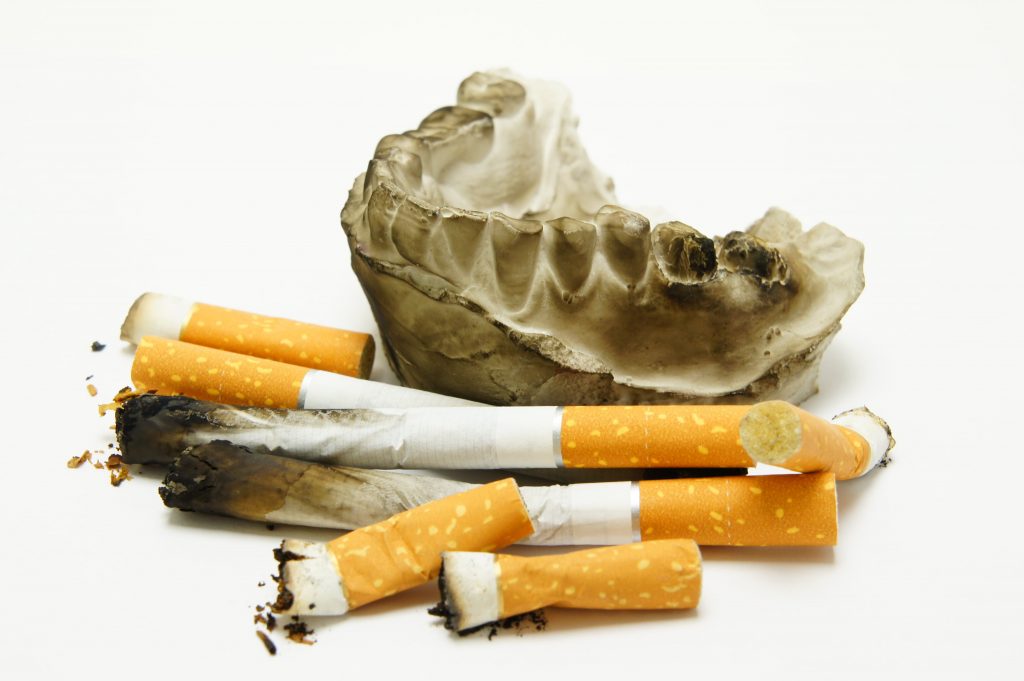
Smoking is one of the most dangerously addictive habits there is. With more than 600 billion cigarettes smoked in the U.S. alone each year, studies indicate that more than 16 million Americans have at least one disease that has been caused by smoking (lung cancer, emphysema, heart disease, etc.), and smokers have a life expectancy of 13 to 14 years less than the average nonsmoker. Yet according to the U.S. Department of Health and Human Services (HHS), one in five people still smoke.
When it comes to dental health, smoking and tobacco use causes all sorts of problems. Smokers are at greater risk of tooth loss, serious periodontal disease and a great many other problems that range from aesthetically displeasing to life threatening.
Here are seven dental health concerns for smokers:
-
1. Stained Teeth and Tongue
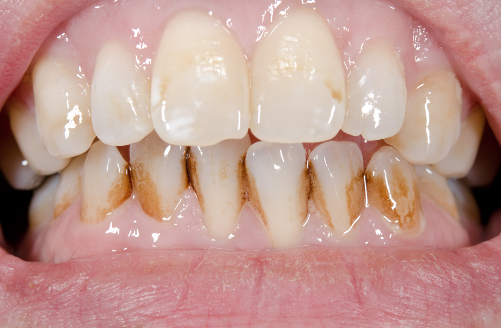
Among the many negatives associated with smoking is the discoloration of the teeth and tongue caused by nicotine and tar. Compared to the many serious consequences of smoking, tooth discoloration might seem rather inconsequential, however many smokers cite the yellowing and browning of their teeth as being influential in their decision to quit. You can’t necessarily see lung deterioration or the progression of heart disease, but you can see tooth discoloration every day when you look in the mirror. In this sense it awakens many people to the harm that they’re doing to themselves.
-
2. Dulls Sense of Taste and Smell

If your favorite foods started to lose their taste and your sense of smell started to fade, would that be enough reason to quit smoking? A Greek study published in BMC Ear, Nose and Throat Disorders found that smokers had flatter taste buds compared with nonsmokers. Researchers found that nicotine can cause “functional and morphological” changes in the taste buds which can lead to a dulled sense of taste and smell.
-
3. Gum Disease
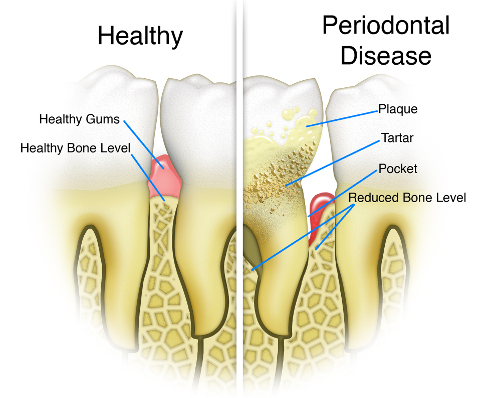
According to the Centers for Disease Control and Prevention, approximately 47 percent of people 30 and over have gum disease (periodontal disease). Smoking significantly increases the risk factors associated with gum disease. Smokers are more likely to develop bacterial plaque, and the decrease in oxygen in the bloodstream caused by smoking inhibits proper gum healing. As a result, the progression of gum disease in smokers is faster than in nonsmokers.
-
4. Oral Cancer

Smoking is associated with an increased risk of cancer. According to the HHS, approximately nine out of 10 lung cancers are caused by smoking. Smokers face an obvious risk of oral cancer as well, with alcohol consumption further increasing the risk. Smokers should maintain a regular dental health schedule that includes oral cancer screenings with their dentist.
-
5. Dental Treatment Candidacy
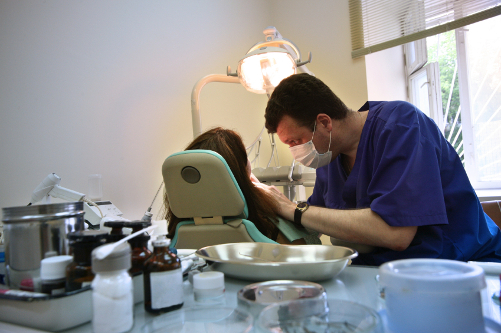
Smoking can be an inhibiting factor when it comes to candidacy for certain cosmetic and restorative dental procedures. For example, if you are a smoker you might not be eligible for dental implants. Smoking can lead to bone loss which can affect an essential part of the implant process: osseointegration. This is the process through which the implant fuses with the jawbone.
Dentists will advise smokers to quit (at least temporarily) in order to be eligible for certain dental procedures like implants.
-
6. Bad Breath

Smoking increases the development of bacterial plaque on the teeth which in turn can cause bad breath (halitosis). Many smokers chew gum or use mints to try and mask the effects, but this does little to impact the underlying cause that smoking exacerbates.
-
7. Tooth Decay
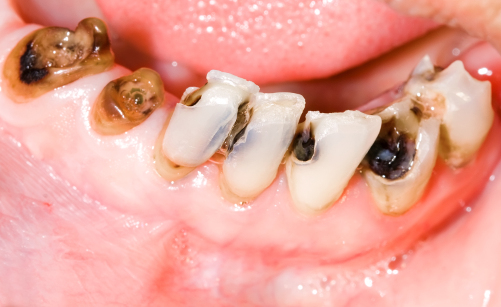
The buildup of plaque and bacteria in the mouth that smoking causes can lead to tooth decay. Tobacco products can cause tooth enamel to break down, stripping a layer of protection from the teeth that opens the door to decay. Coupled with the potential gum disease that smoking can cause, decay can lead to tooth loss and a series of other dental issues like malocclusion (improper bite alignment).