


Temporomandibular Joint Disorder: Symptoms, Causes and Diagnosis
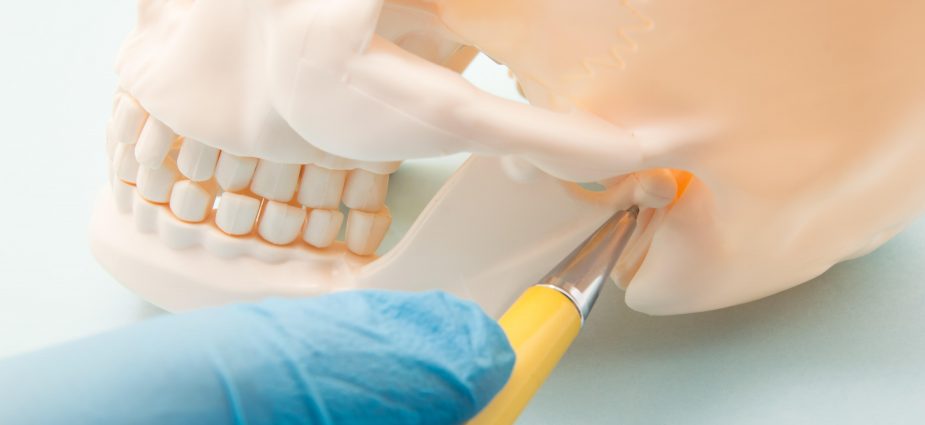
Temporomandibular joint disorder (TMJ, TMJD or TMD) involves conditions affecting the temporomandibular joint, jaw muscles and nerves on one or both sides of the head that result in jaw, face, and head and neck pain.
The pain and discomfort may be severe, can be intermittent or constant, and may last for many years. According to the Academy of General Dentistry (AGD), TMD symptoms may recur during stressful times, whether good or bad.
Symptoms
There are a variety of TMD symptoms, the severity and affects of which tend to differ from one sufferer to another. The jaw pain, discomfort and/or malfunction associated with symptoms typically leads sufferers to seek medical assistance, which can confirm a diagnosis of TMJ disorder and jumpstart the treatment process.
The American Dental Association (ADA) cites the temporomandibular joint (TMJ) as one of the most complex joints in the body. Involved in its function are several muscles, ligaments and bones. The joint itself is comprised of a disc between a ball and socket, and it is this disc that cushions the forces on the joint, enabling the jaw to move and function normally. Any conditions that prevent these components from working properly may cause a disorder.
Anatomical factors within the joint or surrounding muscles (such as the presence of scar tissue) also may interfere with the bite and cause TMD. Some disorders may be caused by arthritis and dislocation, while other instances may result from disease. For example, low-level infections and auto-immune diseases are among the possible causes of TMD noted by the TMJ Association. In addition, some people may be genetically predisposed to TMD.
However, the AGD notes that some mental or physical activities that trigger stress or induce parafunction may cause or aggravate TMD, since most of the pain associated with the condition results from overusing the jaw muscles (such as when clenching or grinding the teeth).
TMJ Pain and Other Symptoms
The most common symptom of TMJ disorder is pain in the chewing muscles or jaw joint, the onset of which is typically the first step toward diagnosis. TMJ pain is usually described as a dull ache in the temporomandibular joint and surrounding areas, such as the ears, neck and shoulders. Some people may have no pain, but still experience jaw functionality difficulties.
Other symptoms of TMJ disorder include:
- Pain or soreness in the jaw that is more prevalent in the morning or late afternoon
- Clicking or popping when opening or closing the mouth
- Swelling on the side of the face
- Sensitive teeth in the absence of dental problems
- An earache in the absence of an infection
- Difficulty opening and closing the mouth and/or chewing
- Upper and lower teeth that do not align properly (malocclusion)
- Stiffness or “locked” feeling in the jaw when talking, yawning or eating
- Jaw pain when chewing, biting or yawning
- Recent changes to the bite
- Frequently waking up with headaches or experiencing frequent tension headaches
Causes
According to the Academy of General Dentistry (AGD), though trauma to the jaw or jaw joint – such as a jolting injury to the head, face or neck – sometimes plays a role in TMD, in most instances the cause is unknown.
The most common factor contributing to TMD is a bite problem affecting the joint itself. Interferences in the structure of individual teeth may force displacement of the lower jaw, leading the muscles to reposition the joints out of their sockets to force the upper and lower teeth to fit together. Also, wear and tear on the teeth caused by aging, teeth grinding and clenching, or activities outside of normal function – called parafunction – may cause uneven surfaces on the teeth, leading to interferences in the bite and improper jaw closure.
Could This Be Causing Your Symptoms?
Academic Stress & Bruxism. Teenagers and college students are known to pull an “all-nighter” before a big exam or to “stress out” about grades. That stress could lead to tooth grinding (bruxism) that wears down the teeth, as well as to TMD.
Poor Posture. If you frequently slouch or hunch over, you may be throwing more than just your back out of whack. You also may be pushing your jaw out of alignment, causing symptoms of TMD. According to the AGD, poor posture puts the spine in a position that stresses the jaw joint. In particular, the lower jaw shifts forward, causing the upper and lower teeth misalignment, and the skull to move back on the spinal column. If not addressed, pain and inflammation in the muscles and jaw joints will develop when the mouth opens and closes.
Tax-Time Stress & Clenching. Clenching your teeth while worrying about filing your taxes – along with all your other financial burdens – could be placing a burden on your temporomandibular joint. Stress often manifests itself in such behaviors as clenching the teeth, according to the AGD. In small doses, the habit isn’t harmful. However, long term, it can lead to TMD.
Super Sizing. Opening too wide to bite into super size sandwiches could cost you more than you bargained for! Taking bites that are too big to chew could lead to jaw and muscle pain and aggravate already existing conditions. In particular, people with TMD should cut food into smaller portions that are easier to chew in order to avoid opening their mouths too wide.
Frequent Drug Use. The use of amphetamines, such as cocaine, is known to increase parafunctional activity such as teeth clenching and grinding. This may add to an underlying TMD problem or increase the incidence of a problem occurring.
Categories of TMJ Disorder
According to the TMJ Association, Ltd. – a non-profit organization that serves patients, medical/dental professionals and the general public through education, social and advocacy programs – there are three categories of TMJ disorders. A person may have one or more type simultaneously.
Conditions include:
-
- Myofacial Pain. This is the most common condition that involves discomfort and pain in the muscles that control jaw movement.
- Internal Derangement. Associated with a displaced disc in the jaw joint, a dislocated jaw or an injury to the condyle, which is the part of the lower jaw that acts like a hinge.
- Arthritis. Involves degenerative and inflammatory joint conditions.
Who Suffers from TMD?
The AGD estimates that more than 10 million Americans suffer from TMD. Additionally, the TMJ Association predicts that as much as 65 to 85 percent of the U.S. population will experience some type of symptom in their lifetime.
It affects twice as many women as men, and is most prevalent among people between the ages of 20 and 40.
Joint Anatomy
The temporomandibular joint slides and rotates in front of the ear on either side of the head. It consists of the temporal bone on each side of the skull and the lower jaw, which is also known as the mandible.
Four different chewing (mastication) muscles are paired on each side of the head and connect the lower jaw to skull. These muscles enable you to chew, open and close your mouth, and move your jaw forward, backward and side to side.
Because this area of the head and face contributes to chewing, jaw movement and bite (occlusion), TMJ disorders may cause pain at rest or during common movements such as talking, chewing and yawning.
Impact on Your Bite & Smile Esthetics
Certain causes of TMD also may affect your bite and subsequently impact the longevity of any smile makeover restorations you may want your dentist to provide. If your dentist identifies problems such as wear, tooth mobility, muscle pain or other signs of malocclusion, your bite may need to be adjusted.
Ensuring a stable bite is essential to your oral health and the long-term durability and functionality of cosmetic restorations such as dental veneers, Lumineers, tooth implantsor crowns. Additionally, maintaining a stable occlusion and a proper bite helps ensure that your upper and lower teeth will come into contact in the most comfortable and pain-free manner possible, without unnecessary force that could lead to headaches or fractured restorations.
Who Diagnoses TMD?
Patients may see multiple healthcare professionals in their quest for relief, including primary care physicians; ear, nose and throat specialists; neurologists; pain specialists; and chiropractors, among others.
However, your dentist can diagnose and treat most cases of TMD. In fact, according to the TMJ Association, Ltd., most patients are diagnosed and treated by dentists and oral surgeons.
If other health conditions exist, the person also may be treated by another medical professional.
Diagnosis
The ADA emphasizes that TMD diagnosis is essential before treatment. However, there currently is no widely accepted standard test to identify all TMD conditions. Most tests are designed to eliminate other conditions as possible causes of the symptoms.
For example, facial pain can be a symptom of such conditions as sinus infections, certain headaches or tooth decay. Therefore, prior to undergoing any expensive diagnostic tests, seek a second opinion from a professional working independently from your current provider.
Regardless, a diagnosis can begin with a visit to your dentist, with whom a thorough oral health examination will be performed. The clinical examination will include an assessment of joint and muscle tenderness, clicking and popping, and ease of movement.
In addition, part of the examination should include your own description of your symptoms. To understand the nature of your pain, your dentist will perform a “clench test.” If one particular tooth, all teeth or the jaw are in pain when you bite down during a clench test, your pain is probably the result of a bad bite.
X-rays also may be taken, as well as impressions of your upper and lower teeth, so that cast models can be made to study your jaw-to-bite relationship, as well as the position and condition of the temporomandibular joint. These molds will be mounted on an instrument called an articulator, which is a device that mimics the jaw’s movement and joint closure. The dentist also may use a specialized computer bite analysis test termed T-Scan. This allows the dentist to measure forces on your teeth, proper balance of your bite and timing of your bite.
During this study, your dentist can determine if a structural disorder exists within the joint itself, or if deflective interferences in the bite – such as uneven teeth – are affecting the joint’s ability to close properly, causing the TMD.
Your complete medical history may be reviewed, and your dentist also may require specialized X-rays, a CT (computed tomography) scan or MRI (magnetic resonance imaging), as well as a simple in-office computer test termed Joint Vibration Analysis or Jaw Joint Sonography of your temporomandibular joint.