


Wisdom Teeth Removal: Your Extraction Guide
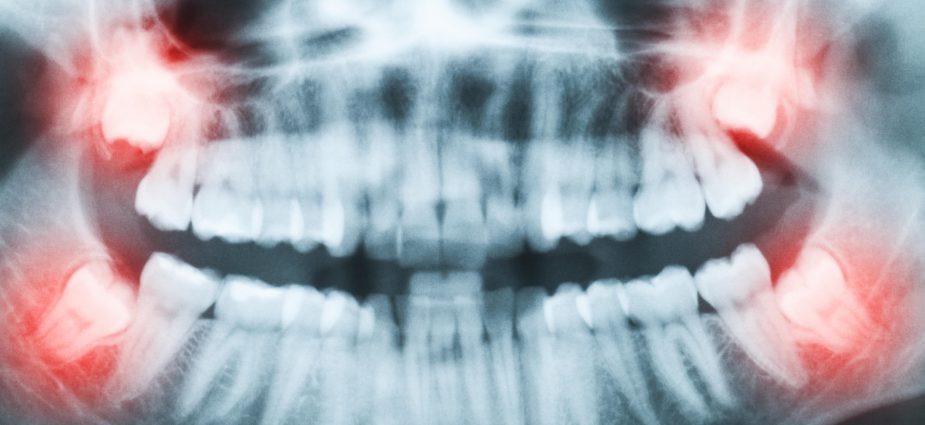
Wisdom teeth, also referred to as the “third molars”, are as important as other teeth, but more prone to problems during their eruption (breaking through the gum tissue). Since wisdom teeth are the last to erupt — usually between the ages of 17 and 21 — there often is little room left in the mouth.
As a result, they may erupt sideways, only partially, or become trapped (impacted), leading to pain, infection, and gum line and facial swelling. When any of these conditions arise, your dentist may determine that extraction is necessary.
Wisdom Teeth Removal
Removal is a fairly common oral surgery, however the procedure is complicated if wisdom teeth have not yet erupted. Some general dentists have the skill required to remove impacted or un-erupted wisdom teeth, though most people require the services of an oral surgeon. In fact, many patients prefer to be heavily sedated for the procedure. Thus, dentists must have the equipment and skill necessary to sedate or provide general anesthesia to patients.
The risks associated with extraction include (but are not limited to):
- Pain
- Bleeding
- Swelling
- Persistent sinus opening
- Lower lip numbness
Dentists are keenly aware of the disadvantages of keeping wisdom teeth, some of which include the potential shifting of surrounding teeth, jaw pain and interruptions with normal sinus functionality. Yet, the decision to extract is your dentist’s.
Extraction Recovery
Recovery takes approximately five to seven days, with the gum area being fully healed in approximately three to four weeks. If the jaw is damaged during extraction, full recovery may take up to six months.
Once you have undergone the surgical extraction procedure, there are several steps to take to ensure proper healing and recovery from the procedure.
During the first 24 hours after removal, you can expect some bleeding. To control bleeding, a moist, clean piece of gauze can be placed over the extraction site. Biting pressure applied for 45 minutes should stop the bleeding.
A teabag also is an effective alternative to gauze to prevent bleeding, with the added benefit of tannic acid, which assists in clot formation. If heavy bleeding occurs for an extended time, contact your oral surgeon or dentist.
Stitches may be used during your procedure if the wisdom tooth is impacted and must be removed from under the surface of the gum line. If the stitches are not self-dissolving, they will need to be removed postoperatively. Your dental surgeon will discuss with you whether or not you need to return to the dental office to have them removed.
Facial swelling also is expected after extraction. To relieve swelling, wrap ice in a cloth and apply it to the swollen facial area. Ice should be applied for 10 minutes and removed for 20 minutes, then repeated. This cycle can be repeated as often as necessary during the first 24 hours following removal.
For pain and discomfort, over the counter medications such as acetaminophen or ibuprofen may be used. Your dental surgeon may prescribe prescription pain relievers, if necessary. Antibiotics also may be prescribed prior to the procedure to clear any infections of the tissue surrounding the wisdom teeth. After extraction, it is important to continue taking the medication to prevent any further or additional infection.
Aftercare
Post-extraction, it also is necessary to maintain proper oral hygiene, as well as follow these recommendations:
- Do not rinse your mouth for the first 24 hours immediately following a tooth extraction.
- Stick to a soft or liquid diet (milk, ice cream, mashed potatoes, pudding) the day of and the day after a tooth extraction, gradually progressing to eating other easy-to-chew foods. Chew with teeth that are far from the extraction site.
- Brush and floss the other teeth as usual, but avoid the teeth and gum next to the extraction socket.
- After the first 24 hours, gently rinse the socket with warm salt water (1/2 teaspoon of salt in a cup of water) after meals and before bed. Repeat this process for at least five days following extraction.
How Much Does Wisdom Teeth Removal Cost?
The cost of wisdom tooth extraction depends on a number of factors, including:
- The experience of the dentist.
- The location of the dentist.
- The type of dental insurance you have.
- The extent of the procedure.
Wisdom teeth removal can range in price from $140 to $400 per tooth. This cost range does not include fees associated with sedation, X-rays, possible oral surgery necessities, or the proximity of the wisdom tooth to surrounding teeth and nerves. Extraction costs for impacted wisdom teeth are significantly higher than for erupted wisdom teeth.
Depending on the type of dental insurance you have, insurance companies may provide a 15 percent reimbursement or up to a 50 percent absorption of the total procedure costs.
Pros & Cons of Removal
The dental community knows more than ever before about the consequences of not extracting impacted wisdom teeth. If impacted wisdom teeth are not extracted, the following may occur:
Teeth Shifting: Impacted wisdom teeth may shift surrounding teeth, causing bite irregularities and pain.
Bone Loss and Jaw Expansion: Impacted wisdom teeth may play a role in bone loss and expansion of the jaw.
Congestion: Wisdom teeth may contribute to sinus congestion and headaches.
Cysts and Tumors: Impacted wisdom teeth may be a factor in the development of bone destroying tumors or cysts, including cyst formation in the surrounding gum tissue.
Gum Tissue Irritation: Gum tissue surrounding impacted wisdom teeth tends to be more susceptible to gum irritation. If wisdom teeth do not fully erupt and become crooked, it may become difficult to adequately clean the gums.
Periodontal Pockets, Cavities and Bone Loss: Difficulty cleaning gums makes it easy for debris to be lodged, creating the perfect setting for bacteria. The resulting bacteria may produce periodontal pockets, create cavities and lead to bone loss.
Changes in Orthodontia and Dentures: For children, wisdom teeth may adversely affect the results of orthodontia. For the elderly, wisdom teeth may undermine the functionality of dentures.
Dry Socket
Dry socket is caused by improper formation or premature loss of the blood clot in the extraction site; it can be quite painful and results in delayed recovery.
To prevent dry socket, avoid smoking cigarettes and using straws for as long as possible after extraction. Because high estrogen levels lead to higher incidences of dry socket, it is recommended that women schedule extractions toward the end of their menstrual cycle when estrogen levels are lower to reduce the associated risk.
Dry socket may also occur due to improper diet following extraction. Foods such as popcorn, nuts and pasta should be avoided for at least three or four days after extraction because their food particles can interfere with the clotting process. Hot liquids and foods also should be avoided, since the heat may cause the clot to dislodge.
The Advantages of Keeping your Wisdom Teeth
Wisdom teeth have advantages as well. For example, they can provide support for a dental bridge, or fill in the space left by a missing molar. Furthermore, some scientists believe that wisdom teeth may serve as a future stem-cell source for the development of new teeth.
To Extract or Not to Extract?
Dentists previously determined whether to remove wisdom teeth using the only diagnostic tool they had at their disposal: a dental examination.
Dentists may use one or more dental technologies during a dental examination to diagnose the necessity for a wisdom tooth extraction (such as panoramic and digital X-rays). These technologies can help determine candicacy for extraction and the best means to approach the procedure. They are also used to help identify additional risks that may impact your dentist’s approach to the procedure, such as the anatomical features of the tooth and surrounding structures.
The complication risks associated with extraction for people over 35 are greater than those of younger candidates. People over 50 faced with extraction are at a greater risk of complications because the bone fuses to the teeth as we age. There is also a risk of numbness in the extraction area.
Ultimately, if you wait to remove wisdom teeth until there is cause for medical concern, the risk for all complications increases. Today, dentists often recommend removing potentially problematic wisdom teeth by age 18.