

Buy Zofran Online Fast Relief from Nausea & Vomiting
Online Pharmacy | E-Prescriptions »
- By Dr. Nicholas Conley, MD (Family Medicine)
- Medically reviewed by Dr. Richa Garg, MD (Family Medicine)
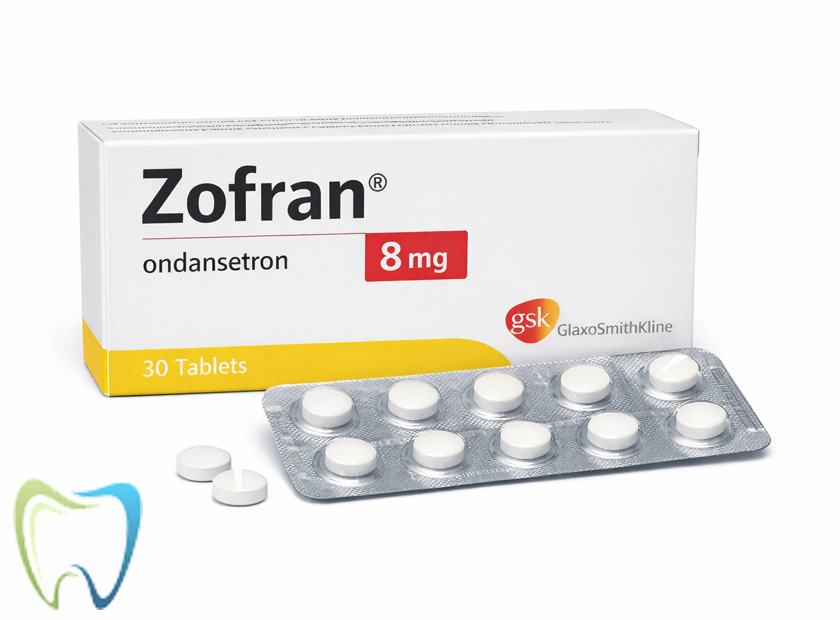
Need to buy Zofran online? Order ondansetron via telehealth today. Ondansetron 4 mg & 8 mg relieves nausea from chemo, surgery, and pregnancy. Zofran works by blocking serotonin signals in the gut and brain that trigger nausea. It starts working within 30 to 60 minutes and is trusted by patients going through chemotherapy, recovering from surgery, or dealing with severe morning sickness.
Is Zofran Over the Counter or Prescription?
Can you buy Zofran over the counter? No. Ondansetron in the U.S. is available by prescription only and is not sold over the counter in any dose or form — not as 4 mg tablets, not as 8 mg tablets, and not as an orally dissolving form. There are no over-the-counter versions with a lower dose, no generics sold over the counter, and no dietary supplements that would reproduce its mechanism of action. All routes to obtaining ondansetron go through a doctor.
The prescription requirement is not a “formality for the sake of rules.” Ondansetron (Zofran) has real risks, and the most important moment is to check them before you start taking it. In rare cases, the drug can affect heart rhythm, and the likelihood is higher at higher doses, when combined with some other medicines, in people with heart or liver problems, or with “off” electrolytes (for example, after severe vomiting/diarrhea). A doctor is exactly what is needed to quickly assess these factors: choose a dose, replace the medication if necessary, or arrange monitoring. If you skip this step, no one will check whether it is safe for you to take it.
People for whom over-the-counter remedies for nausea did not help often really do respond better to ondansetron — not because the pharmacy options are “bad,” but because they work differently. Meclizine and dimenhydrinate are better suited for motion sickness and “vestibular” nausea (when the problem is related to the inner ear). But if nausea is related to signals from the gut (for example, after surgery, during chemotherapy, or during radiation therapy), antihistamines can have a weak effect. Ondansetron is designed specifically for that type of nausea.
Can you buy Zofran over the counter, just in a smaller dose “for a mild case”? No — it has no over-the-counter form, regardless of dose. If nausea is mild and goes away on its own, over-the-counter remedies and simple measures are usually enough. Now this can often be done through telemedicine: a consultation and an electronic prescription are often available the same day, without trips to clinics, and it is very easy to do.
OTC antiemetics vs. Zofran: key differences
The table below lays out the core pharmacological and practical differences between OTC options and ondansetron. The single most important row is mechanism — everything else flows from it. Onset is similar for both classes, but where OTC antiemetics address vestibular and histamine-driven nausea, ondansetron is built specifically for the serotonin-heavy settings that most OTC options cannot adequately treat.
The sedation difference is worth highlighting for patients who need to remain functional during treatment. OTC antihistamines cause drowsiness frequently enough that many patients avoid them when they need to drive or work. Ondansetron’s sedation rate is low and tends to diminish after the first few doses, which makes it more practical for sustained outpatient use throughout a chemotherapy cycle.
Zofran Generic: Ondansetron Explained
Ondansetron is the generic name for the brand Zofran, and it has been available from multiple FDA-approved manufacturers since GlaxoSmithKline’s original patent expired. Today, generic ondansetron accounts for the overwhelming majority of prescriptions filled in the United States. Every generic version must meet the FDA’s bioequivalence standards — identical active ingredient, the same rate and extent of absorption, and the same clinical effect profile. The bioequivalence requirement exists specifically so that switching from brand to generic requires no adjustment in dosing or clinical monitoring.
The practical difference between brand Zofran and generic ondansetron is price. Brand Zofran at full retail can exceed thirty dollars per tablet depending on the pharmacy and insurance coverage. Generic ondansetron purchased through discount programs or mail-order services is typically available for under one dollar per tablet in the 4 mg and 8 mg strengths. The orally disintegrating tablet and the oral solution are also available generically at comparable savings. For patients on multi-day chemotherapy cycles who require ondansetron around the clock, the difference in out-of-pocket cost over a full course of treatment can be substantial. When patients buy Zofran online through a telehealth pharmacy, generic ondansetron is almost always dispensed unless the prescriber specifies the brand.
Clinically, patients who switch from brand Zofran to generic ondansetron should not notice any difference in onset, duration, or nausea control. The absorption profiles are equivalent by regulatory definition. All formulations — standard tablet, ODT, and oral solution at 4 mg per 5 ml — are available in generic form. The oral solution is particularly relevant for patients who cannot swallow tablets, including those recovering from throat or esophageal surgery and pediatric patients requiring weight-based dosing.
Brand vs. generic: at a glance
The table below summarizes the key parameters that differentiate brand Zofran from its generic equivalents. For most patients, the only meaningful column is price. Of course, despite the quality regulations of generics, when you pay for an original medication, you are also buying quality.
Switching from brand to generic requires no dose adjustment and no additional monitoring. If a patient has been stable on brand Zofran and their pharmacy substitutes a generic, the clinical expectation is identical performance. Any perceived difference in effect after switching is not supported by pharmacokinetic data and is more likely attributable to variability in the underlying condition or treatment schedule.
What Is Zofran Used For?
Ondansetron is FDA-approved for use in three main situations: nausea and vomiting caused by chemotherapy, radiation therapy, and surgery. In all three cases, the cause is similar: the lining of the intestine releases a large amount of serotonin. This serotonin sends a strong “vomiting” signal through the nerves connecting the intestine to the brain, and it also activates the nausea control center in the brain. Ondansetron blocks serotonin “receptors,” so the signal does not start in full force. That is why the timing of taking it (before the cause occurs) can matter as much as the medication itself.
In oncology, ondansetron is usually taken before chemotherapy begins, not after nausea has already appeared. Studies consistently show that prevention works better than trying to “catch up” later. With chemotherapy that causes severe nausea (for example, treatment regimens that include cisplatin, anthracyclines, or cyclophosphamide), doctors often combine ondansetron with a steroid such as dexamethasone to cover both the first 24 hours and the next several days, when nausea can return. With chemotherapy that has a moderate risk of nausea, a common approach is to prescribe the medication on the day of treatment and then continue taking it for another one to two days. Updated, evidence-based protocols for treating nausea for different risk levels are listed in the NCCN Clinical Guidelines for the Treatment of Nausea.
As for nausea caused by radiation therapy, the benefit largely depends on where the radiation is directed. Ondansetron is most effective when irradiating areas that can release a large amount of serotonin from the intestine — for example, the upper abdomen, the small intestine, or during total-body irradiation. If radiation is directed at the skull, the pelvis (without the abdominal cavity), or the arms/legs, the intestine is affected to a lesser extent, and the need for preventive use of antiemetic medications is not as high.
The third approved use is post-operative nausea and vomiting (PONV). A single dose closer to the end of surgery can noticeably reduce the likelihood of nausea afterward, especially in people with known risk factors: female sex, non-smoking status, a history of PONV or motion sickness, and expected use of opioid painkillers after surgery.
Approved indications and common off-label uses
Beyond its three approved settings, ondansetron is widely used off-label in clinical practice. These applications follow the same pharmacological rationale — serotonin-driven nausea — even though they fall outside the FDA-approved label.
- Chemotherapy-induced nausea and vomiting (CINV). FDA-approved. Covers the acute phase within 24 hours and contributes to delayed-phase coverage when combined with a corticosteroid. Most effective in highly emetogenic regimens. Prophylactic dosing before infusion is consistently superior to rescue dosing.
- Radiation-induced nausea. FDA-approved. Most relevant when radiation targets the upper abdomen or involves total-body irradiation — the fields associated with the highest enterochromaffin cell density and serotonin release.
- Post-operative nausea and vomiting (PONV). FDA-approved. A single prophylactic dose at the end of surgery reduces PONV risk in high-risk patients. The intravenous formulation is standard in the perioperative setting; oral and ODT are used for outpatient recovery.
- Hyperemesis gravidarum (off-label). Used as a second-line antiemetic when first-line therapy fails in pregnancy. Clinical guidelines support its use in severe cases; safety data in the first trimester remain mixed and require individual prescriber assessment.
- Gastroenteritis and opioid-induced nausea (off-label). Frequently used in emergency department and outpatient settings for acute vomiting from infectious gastroenteritis. Also prescribed to manage nausea associated with opioid analgesics, where the serotonin pathway is a contributing trigger.
Patients obtaining ondansetron for off-label indications should be aware that the dosing schedule, expected duration of effect, and clinical monitoring may differ from the approved CINV protocol.
Where to Buy Zofran Online: What to Check
More people now choose to buy Zofran online through telehealth instead of booking an in-person visit — and in many real-world cases that’s a sensible, medically appropriate option. The reason is simple: patients going through chemotherapy or recovering after surgery often don’t have the time, energy, or physical ability to get to a clinic before the next treatment step. Telehealth can remove that bottleneck, because the assessment, the prescription, and the pharmacy fulfillment can sometimes be completed within the same day.
But the key issue with any online option is whether it includes a real clinical evaluation. Ondansetron is not a medication that should be handed out based on a few clicks. The FDA has pointed out important interaction risks that require individual review — including certain antidepressants that affect serotonin, azole antifungals, and specific heart-rhythm medications (class I and III antiarrhythmics).
You can’t reliably screen for those risks with a simple symptom checklist. So if a site offers a way to buy Zofran online without a structured medical intake and prescriber oversight, it isn’t a legitimate clinical pathway — no matter how “professional” it looks.
How to identify a legitimate pharmacy
Choosing to buy Zofran online can make sense when a prescription is clearly appropriate and you already have a care plan (including follow-up if needed). The biggest benefit is speed: once the decision is made, online access can cut down the lag between “yes, you need it” and actually starting it — which matters when nausea coverage has to match a chemotherapy schedule or a planned surgery. With telehealth, many patients can complete the evaluation, receive the prescription, and have the pharmacy process the order within the same day.
The line between a safe option and a risky one is simple: a real medical evaluation. Telehealth service will ask for more than symptoms — it should review your current medications, relevant conditions, and any heart or liver history before prescribing. Ondansetron isn’t a medication that should be dispensed based on a quick checkbox form. Any platform offering ondansetron without collecting proper medical history is skipping an important safety screen.
If you’re assessing an online pharmacy, look for signals you can actually verify: a real physical address, active state pharmacy board licensure, and a named pharmacist in charge. Telehealth prescribers should also be licensed in the patient’s state. Platforms with NABP accreditation or a VIPPS seal meet a recognized standard for online dispensing. The FDA guidance on buying medicines online explains what to look for — and what the risks are when a source can’t be verified.
- 1
Choose Your Appointment Time OnlineBook a telehealth visit with a licensed clinician. Same-day scheduling is available in most cases.
- 2
Online Video Consultation With Your ClinicianDiscuss your nausea symptoms, current medications, medical history, and any cardiac or liver conditions. Your clinician reviews safety considerations including QT and drug interaction risks.
- 3
Finalizing Your Treatment PlanIf clinically appropriate, your clinician issues an electronic prescription with dosing instructions and timing guidance relative to your treatment schedule.
Telehealth Family Medicine Physicians

Zofran Dosage: How Much and How Often
Correct ondansetron dosing matters as much as the decision to use it. Results depend on three things working together: the right dose for the situation, the right timing before the nausea trigger, and dosing often enough to cover the highest-risk window. If timing is off, benefits drop even with the correct dose.
For adults, a common oral dose for chemo-related nausea is 8 mg. It is taken about 30 minutes before chemotherapy starts, then repeated every eight hours during the treatment period. For moderate-risk regimens, two 8 mg doses on the treatment day are typical, spaced eight hours apart, followed by one to two more days if needed. The usual maximum oral total is 32 mg per day in adults with normal liver function. This limit exists because higher doses raised QT safety concerns, and oral dosing was capped conservatively due to differences in absorption and clearance.
With severe liver impairment, do not exceed 8 mg per day. Ondansetron is mainly processed by the liver, so reduced function can raise levels and increase side effects. Older adults may clear it more slowly too, which can make each dose last longer. Dose changes are usually only needed if side effects appear.
How often can you take Zofran in a day?
The every-eight-hours schedule is the backbone of oral ondansetron use for chemo-related nausea and vomiting. Better results come from taking it on a set timetable during the highest-risk window, instead of waiting until nausea starts. If nausea is already strong, ondansetron can still help, but it usually works slower and the effect is less complete than when the medication is already in place before the trigger. In practice, this matters for people who buy Zofran online to use at home during a chemo cycle. It means taking the morning dose before heading to the infusion center, not after coming back home when nausea has already taken hold.
Zofran 4 mg and ODT: dosing and timing
The 4 mg dose is used in a few clear situations. It can fit mild to moderate nausea, weight-based dosing in children, and a single preventive dose for post-surgery nausea. It is also a sensible starting point for people who feel side effects at 8 mg. The orally disintegrating tablet (ODT) melts on the tongue in seconds and does not need water. That makes it useful when vomiting makes swallowing hard, or when a patient is not allowed to drink or eat around surgery.
In the body, the ODT and the standard coated tablet behave almost the same. They reach similar blood levels and provide similar overall exposure. Most absorption still happens in the gut, not through the mouth lining. Because of that, the onset is about the same for both forms. The real advantage of the ODT is convenience, not faster action. For home use after chemotherapy, the ODT can be a reliable backup. It helps when nausea peaks and swallowing a regular tablet becomes difficult.
Timing matters more than the form you choose. Taking the first dose about 30 minutes before chemotherapy starts matches how long oral ondansetron needs to reach its strongest effect. Taking it with a light meal may slow absorption a little, but usually not enough to matter. A large high-fat meal at the same time can delay the peak by about 30–45 minutes. That delay matters when dosing needs to line up closely with an infusion. If you miss a dose, do not double the next one. It rarely improves control and raises the chance of headache and constipation.
How Long Does Zofran Take to Work?
Most adults feel noticeable relief within 30–60 minutes after an oral ondansetron dose. Under fasting conditions, the highest blood level is usually reached around 1.5–2 hours after taking it. Relief can start earlier because the medication begins blocking key serotonin receptors before it reaches its maximum level in the bloodstream. This is why taking ondansetron before a trigger makes medical sense. By the time chemotherapy starts or anesthesia is given, the receptors are already blocked enough to blunt the nausea signal.
Food mainly changes the timing, not the total amount absorbed. A light meal can push the peak back by about 15–30 minutes, without reducing overall absorption. A heavy, high-fat meal can delay the peak by about 30–45 minutes. That difference can matter when the pre-chemo timing window is tight. If someone eats a full breakfast before a morning infusion, taking ondansetron 45–60 minutes ahead instead of 30 can help compensate for the delay. When the schedule allows, the most practical approach is to take the pre-infusion dose on an empty stomach or after something light.
How long does the effect last?
A single 8 mg oral dose usually covers about 8 hours of nausea control in adults with normal liver function. The half-life is around 3–4 hours, so most of the medication is cleared within about 12–16 hours. Even so, the “anti-nausea” effect can last longer than the clearance numbers suggest. That happens because the receptors stay blocked for a while after blood levels start falling. This is why many chemo-related nausea protocols use an every-eight-hours schedule.
In older adults and in people with significant liver disease, the medication can leave the body much more slowly. In some cases, the half-life can double or more. That can make each dose last longer in practice, and strict eight-hour spacing may matter less than it does for younger patients with normal liver function.
If nausea comes back well before the next planned dose, it’s worth telling the prescriber. The best fix is usually not taking the next dose early on your own. Instead, discuss whether the plan needs more coverage: a dose adjustment, a shorter interval, or adding another antiemetic. One of the most supported options is pairing ondansetron with dexamethasone, as outlined in the American Society of Clinical Oncology antiemesis clinical practice guidelines, to better cover both early and later chemo-related nausea.
Zofran Side Effects and Safety
Ondansetron has a well-established safety record, supported by decades of real-world use and monitoring across a very large number of prescriptions. Most people take it without major issues, and when side effects happen, they are usually mild and fairly predictable. Still, there are a few important risks to keep in mind, especially those related to heart rhythm. That is why a clinician should screen for individual risk factors before the medication is prescribed and dispensed.
The most common side effects are headache, constipation, and tiredness. These are linked to how ondansetron works, because it blocks 5-HT3 receptors not only in the nausea pathway, but also in other parts of the body. In some people this can contribute to headaches, and in the digestive tract it can slow bowel movement and lead to constipation. These effects tend to be dose-related and are more noticeable with repeated dosing over several days than with a single preventive dose. Many patients who receive one dose to prevent post-operative nausea, or use a short course during radiation therapy, report few side effects. It is more often during multi-day chemotherapy schedules that side effect control becomes part of the overall treatment plan.
Drowsiness and constipation: what to expect
In clinical trials, the side effects reported most often with ondansetron are headache, constipation, and fatigue. Headache leads the list. Depending on the dose, how long it is used, and what it is being used for, it shows up in roughly 9–27% of patients. The reason ties back to the same serotonin blocking that helps nausea. Similar receptors exist in blood vessels in the brain, and blocking them can trigger a mild vessel-widening effect. Most ondansetron-related headaches are mild to moderate, fade within a few hours, and improve with standard over-the-counter pain relievers.
Constipation happens because serotonin normally helps keep the gut moving. Under normal conditions, serotonin released in the intestine supports regular contractions through several receptor pathways. When ondansetron blocks part of that signaling, bowel movement can slow down and stools can become less frequent. For people taking ondansetron on a strict schedule during multi-day chemotherapy cycles, constipation can turn into a real issue. Practical prevention usually works best: drink enough fluids, include fiber, and consider starting a stool softener early instead of waiting until constipation is already there. Risk is higher if someone is already constipated from opioid pain medicines, so it’s worth discussing a bowel plan with the care team from the start.
Sleepiness affects fewer patients and is usually mild. It tends to be more noticeable at higher doses and in people who are already worn down by illness or treatment. For many, it eases after the first few doses. Until you know how it affects you, it’s safer to avoid driving or operating heavy machinery.
A less common but more serious concern is QT interval prolongation. The effect is dose-related and is more pronounced with IV use than with standard oral dosing. The FDA updated labeling to avoid single IV doses above 32 mg after post-marketing data clarified this risk. With typical oral doses, the risk stays low for otherwise healthy patients, but it rises in people with existing QT prolongation, low potassium or magnesium, or those taking other QT-prolonging medications. That’s a key reason a real prescriber review matters before someone chooses to buy Zofran online: proper screening flags people who need extra caution or a different option.
Zofran during pregnancy: what to know
Ondansetron is often used off-label for hyperemesis gravidarum — severe, persistent nausea and vomiting in pregnancy that does not improve with diet changes or first-line antihistamines. In the U.S., it is one of the most commonly used medications for pregnancy-related nausea. Many clinical sources now treat it as a second-line option when early measures are not enough to keep hydration and nutrition stable.
Safety evidence is large, but not perfectly consistent. Several large studies from Scandinavia and North America have generally not shown a clear increase in major birth defects with first-trimester exposure. At the same time, some research has reported a small rise in specific outcomes, such as certain heart septum defects, and one Danish registry study found an association with oral clefts. Even in those reports, the absolute risk appears low, and study quality varies. For many patients with severe hyperemesis, the alternative is not “no risk.” Ongoing dehydration, electrolyte disturbances, and inability to maintain calories can also carry meaningful risks for both mother and fetus.
Using ondansetron in pregnancy — especially in the first trimester — should be a decision made directly with a clinician (a physician or midwife). The ACOG Practice Bulletin on nausea and vomiting of pregnancy lays out a stepwise treatment approach and is updated as safety data evolve. Self-prescribing ondansetron, or asking “can you buy Zofran over the counter” during pregnancy, is not the right route. The screening needed here is more detailed than a basic telehealth form.
About The Author

Dr. Nicholas Conley, MD is a board-certified family medicine physician serving patients in Franklin, Tennessee. He specializes in preventive medicine, chronic disease management, and addiction medicine, helping patients achieve long-term health through personalized, evidence-based care. Dr. Conley has advanced training in addiction medicine and provides comprehensive treatment for conditions including hypertension, diabetes, high cholesterol, and substance use disorders.
Disclaimer
The information provided on this page is intended for general educational purposes only and does not constitute medical advice, diagnosis, or treatment. Health conditions, symptoms, and treatment responses vary significantly between individuals, and there is no universal approach suitable for every patient.
Medical decisions should only be made in consultation with a licensed healthcare professional who can evaluate your medical history, current medications, underlying conditions, and individual risk factors. Information on this page should not be used to determine treatment plans, medication selection, dosage, or to assess potential drug interactions.
This content is not a substitute for professional medical care. Before starting, modifying, or discontinuing any medication or therapy, you should seek guidance from a qualified physician, pharmacist, or other licensed clinician who can provide personalized medical advice based on a proper clinical assessment.
If you have questions or concerns regarding your health, treatment options, or medications, always consult a licensed medical professional.
Related Pages