

Buy Finasteride Online | Propecia Hair Loss Treatment
Online Pharmacy | E-Prescriptions »
- By Dr. Emily A. Merkel, MD (Dermatologist)
- Medically reviewed by Dr. Amanda Onalaja, MD (Dermatologist)
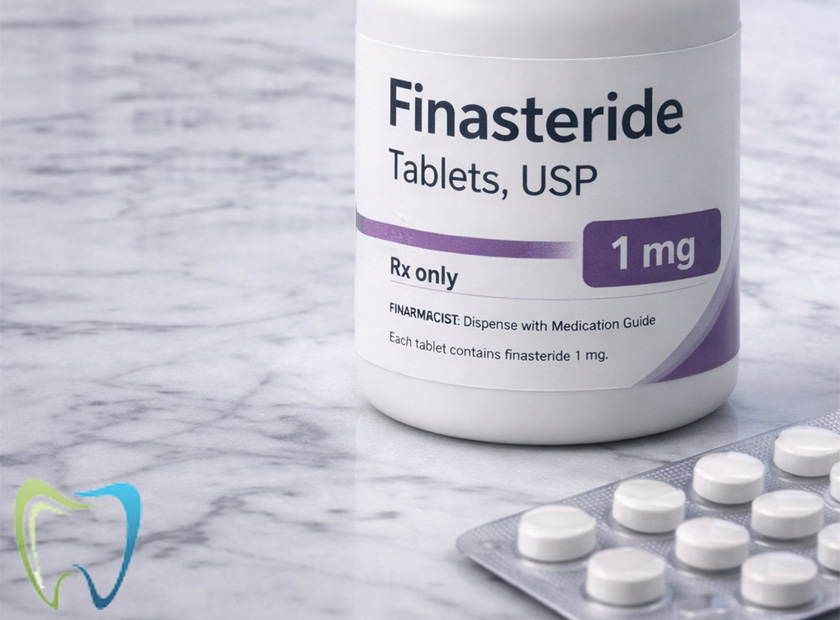
Buy finasteride online — one daily tablet that blocks the hormone behind hair loss and delivers visible regrowth in 8 out of 10 men over 12 months. Visible results typically appear by month six, with peak effectiveness by the end of year two. One daily tablet costs less than a single PRP session and is far more affordable than hair transplant surgery. The 1 mg dose is designed specifically for alopecia without placing excessive strain on the body. Finasteride does not restore dead follicles, but it rescues the ones that are still active.
Does Finasteride Help with Hair Loss
Yes. Finasteride can help if the hair loss is caused by androgenetic alopecia. This is the most common form of male pattern baldness. In this condition, the follicles become sensitive to DHT and gradually shrink.
Finasteride lowers DHT levels. That is why it helps slow the process that drives thinning. In practical terms, most men start treatment to keep the hair they still have. Regrowth can happen too, but retention is often the first and most realistic benefit.
The response is not instant. Hair grows in cycles, so changes take time. Some men notice less shedding in the first few months. Visible improvement usually comes later. The main point is that the medication can interrupt ongoing miniaturization before more density is lost.
Finasteride is not a cure. It controls the hormonal trigger while you keep taking it. If treatment stops, DHT activity returns, and the loss often resumes. For that reason, men who buy Finasteride online are usually not looking for a temporary fix. They are looking for a steady way to manage progression.
It works best when treatment starts early. A follicle that is still active has a better chance of responding than one that has already stopped producing visible hair. That is why timing matters. Waiting too long usually limits the result.
Finasteride as a Hair Loss Treatment
Finasteride has a clear place in hair loss treatment. It is used when the pattern suggests androgenetic alopecia. It is not a general solution for every patient with shedding or thinning.
That difference matters. Hair can fall out for many reasons. Stress, illness, low iron, thyroid problems, and autoimmune conditions can all cause loss. In those cases, lowering DHT does not address the real trigger. Finasteride works when the process is hormone-driven.
One of the reasons this treatment method is so popular is its simplicity. The standard regimen is one tablet per day. No scalp application is required. No in-office procedures are required to maintain the effect. This makes it easy for many patients to maintain a regular treatment regimen over the long term.
Clinical data supports this use. In long-term studies, Finasteride 1 mg slowed progression and improved hair outcomes compared with placebo. The published study in the Journal of the American Academy of Dermatology is a good source for that point. It reflects why the medication remains part of standard discussion in male pattern hair loss.
This treatment also has limits. It tends to perform better at the crown and mid-scalp. The frontal hairline and temples are less predictable. Some patients see stronger density in thinning areas. Others mainly notice that recession stops moving as fast. That still counts as treatment success in many real cases.
Finasteride also works best as part of a proper assessment, not as a random purchase. Patients often ask where to buy Finasteride, but the better question is whether the pattern of loss actually fits the medication. When the diagnosis is right, Finasteride can be a practical and effective long-term option.
Difference Between Finasteride 1 mg and 5 mg
Finasteride is sold in two familiar strengths: 1 mg and 5 mg. The active ingredient is the same. The real difference is the intended use.
For hair loss, 1 mg is the standard dose. The 5 mg tablet is used for a different clinical purpose. That is why these strengths should not be viewed as two equal options for the same goal.
The table shows the key point clearly. These are not two hair-loss doses where one is simply stronger than the other. They are two strengths used in different treatment settings.
For androgenetic alopecia, 1 mg is the dose that matches the usual treatment plan. It is the version tied to hair-loss management. The 5 mg tablet belongs to prostate treatment and is prescribed with a different goal in mind.
That is why the comparison should stay practical. If the discussion is about male pattern hair loss, 1 mg is the relevant reference point. If the discussion is about BPH, 5 mg is the relevant one. Same medication, different dosing purpose.
When Does Finasteride Start Working
Finasteride does not produce a quick visible change. The timeline is slower than many patients expect. That is why this question comes up so often. Men want to know when the treatment starts doing something they can actually notice.
The first point to understand is simple. The medication can begin affecting the hormonal process early, but visible hair improvement takes longer. Official labeling states that daily use for three months or more is generally needed before benefit may be seen. In practice, many men judge the treatment later than that, often closer to the six-month point.
This delay does not mean the treatment is weak. Hair changes move on a biological cycle, not on a fast cosmetic timeline. That is why Finasteride should be judged over months, not weeks. Men who buy Finasteride online sometimes expect a faster turnaround than the treatment usually delivers.
A practical way to look at the timeline is to break it into stages. The first stage is too early for strong conclusions. The second is where changes become easier to notice. And the later stage is where the treatment can be judged with more confidence.
What Happens in the First 3 Months
The first three months are usually quiet from a visual standpoint. Many men do not see obvious thickening yet. That can create the impression that nothing is happening, but this stage is often too early for a fair judgment. DailyMed specifically notes that benefit generally requires at least three months of continuous use.
What patients may notice first is not dramatic regrowth, but a slower pace of loss. The amount of shedding may feel more stable. The hair may stop looking like it is getting worse week after week. That early stabilization is often part of the treatment effect, even before density looks better in the mirror.
This stage is also where tracking matters. Daily mirror checks are not very useful because the change is too slow and too subtle. Photos taken every two or three months in the same lighting give a more honest baseline. Without that, many men assume the treatment is doing nothing when the real issue is that the timeline is still early.
So the first three months should be read correctly. This is the period for staying regular with the dose and avoiding premature conclusions. In most cases, it is not yet the stage where Finasteride shows its full visible value.
Results After 6–12 Months
This is the stage where the treatment becomes easier to judge. Around six months, many men can finally tell whether hair loss has slowed and whether thinning areas look more stable. By twelve months, the result is usually clearer and easier to assess in practical terms. The American Academy of Dermatology also notes that patients may need to take the medication for about six months before seeing results.
The improvement is often modest in appearance, not dramatic. Some men notice better coverage in thinning areas. Some notice that the scalp shows less through the hair. Others mainly see that the loss no longer seems to be progressing at the same speed. That still counts as a meaningful outcome, especially in androgenetic alopecia, where slowing decline is part of successful treatment.
Clinical studies support this slower pattern. In long-term trials, improvement was assessed over many months, not after a few weeks. Published data showed benefit at 12 months, with continued gains during longer follow-up in men who remained on treatment.
So the answer to the timing question is fairly direct. Finasteride usually starts showing noticeable value slowly. Three months is often still early. Six to twelve months is the range where the treatment can be judged more realistically.
Where to Buy Finasteride Online
Finasteride is a prescription medication, so the right place to buy Finasteride online is not just the cheapest site or the fastest checkout. The better option is a platform that combines a real medical review with dispensing through a licensed pharmacy. FDA guidance on online medicine purchases makes the same basic point: prescription drugs should not be sold through websites that skip normal safeguards.
If you are deciding where to buy Finasteride, focus on a few practical signals. The platform should require a health questionnaire or clinician review before any prescription is issued. It should clearly show who dispenses the medication. It should also explain pricing, refills, and follow-up in plain language. That tells you more than marketing claims ever will.
It also helps to verify the pharmacy itself. NABP’s Safe Site Search and related Safe Pharmacy resources are designed for exactly this purpose. They allow consumers to check whether an online seller is operating within recognized pharmacy standards.
The most useful mindset here is simple. A legitimate online option should feel like healthcare first and checkout second. That is usually the safest way to buy Finasteride online without turning the process into guesswork.
How to Safely Buy Finasteride Online
A safe online purchase usually follows the same logic as a regular prescription visit. First, your hair-loss pattern and medical history are reviewed. Then a clinician decides whether Finasteride fits the case. Only after that does the prescription and pharmacy step happen. That sequence matters more than how polished the website looks.
What makes this process useful is not just convenience. It is the chance to confirm that the treatment matches androgenetic alopecia rather than some other cause of shedding. It also gives the patient a clearer picture of dose, refill timing, and what kind of follow-up makes sense over the next few months. Finasteride 1 mg, for example, is the labeled once-daily dose for male pattern hair loss in the U.S.
- 1
Complete a Medical IntakeStart with a structured intake, not just a cart page. A legitimate platform asks about your pattern of hair loss, current medications, health history, and treatment goals before moving forward.
- 2
Get a Clinician ReviewYour information is then reviewed by a licensed clinician. If Finasteride is appropriate, the prescription can be issued through the platform’s medical process.
- 3
Confirm the Pharmacy and Ongoing PlanBefore ordering, check which licensed pharmacy fills the prescription, how refills work, and whether follow-up is available.
Telehealth Dermatologists

How Much Does Finasteride Cost
Finasteride is usually one of the lower-cost prescription options used for male pattern hair loss. The generic version is the main reason. It uses the same active ingredient as Propecia, but the price is often much lower. Current coupon-based pricing can vary a lot by pharmacy, dose, and supply size. Recent GoodRx listings show generic 1 mg pricing that can start around $10.20 for 30 tablets at some pharmacies, while other listings are much higher. That spread is exactly why fixed price claims tend to age badly.
The more useful question is not “what is the price per pill?” but “what is the total monthly cost once everything is included?” Some platforms separate the clinician visit from the medication. Others bundle the review, prescription process, and shipping into one subscription-style price. A cheaper bottle is not always the cheaper route once those extra charges are added.
Supply length also changes the picture. A 90-day fill often lowers the per-tablet cost compared with a 30-day supply, but that only helps if the total package price stays reasonable. The cleanest comparison is to look at the final checkout amount, refill structure, and whether the pharmacy is licensed and transparent about who dispenses the medication.
Insurance is less predictable here. Because Finasteride for hair loss is commonly treated as a non-essential or cosmetic-use prescription, many patients end up paying out of pocket. In practice, that does not always make the treatment expensive. It just means coupons, pharmacy discounts, and telehealth bundle pricing matter more than insurance in many cases.
Compared with procedural options, the ongoing cost of Finasteride is still relatively modest. That does not make it the right treatment for everyone, but it does explain why it remains one of the most accessible long-term medical options for androgenetic alopecia.
Topical Finasteride as an Alternative to Pills
Topical Finasteride is usually discussed as an alternative for men who want local scalp treatment rather than a daily pill. The idea is straightforward. The medication is applied to the scalp, where the target follicles are, instead of being taken by mouth.
That does not make it a simple swap in every case. Oral Finasteride remains the more established route in routine practice. Topical use is newer, more variable in formulation, and often depends on a compounding pharmacy rather than a standard retail product.
The clinical interest in topical Finasteride comes from one practical question: can it support hair growth while limiting how much drug reaches the bloodstream. A phase III study published in the Journal of the European Academy of Dermatology and Venereology helped make that discussion more concrete. In that trial, topical Finasteride spray solution improved hair count versus placebo and produced lower plasma Finasteride exposure than oral treatment. That makes the study useful here because it speaks to both efficacy and systemic exposure, not just theory.
- It is used as a scalp-applied alternative to oral Finasteride
- Formulations vary more than standard tablets do
- It is often sold through compounding or telehealth channels
- Some products combine Finasteride with Minoxidil in one solution
This variability is one of the main practical differences. With tablets, the dosage and form are simple. With topical preparations, the concentration, base, and application method may vary from one pharmacy or platform to another. Some solutions are quick-drying sprays, others are liquid mixtures. There are also combination formulas that already contain minoxidil.
In practice, the choice between oral and topical Finasteride is less about which one sounds newer and more about which route fits the patient better. Oral treatment is simpler and more standardized. Topical treatment can be appealing, but it requires closer attention to formulation, source, and daily use.
Finasteride Side Effects You Should Know About
Finasteride is usually well tolerated, but side effects are one of the first things patients ask about. That is reasonable. The drug changes hormone signaling, so people want a clear answer before starting treatment.
The most discussed effects involve sexual function. In the clinical trial data used in labeling for Finasteride 1 mg, these events were uncommon, but they did occur. The main point is not to assume they happen to everyone, and not to ignore them if they do. A balanced discussion is more useful than either extreme.
For the full official prescribing information, see the current Finasteride 1 mg DailyMed label.
The table is useful, but it should be read the right way. These numbers are not proof that side effects are trivial. They simply show that, in controlled trial data, the best-known sexual side effects were reported in a minority of users. That is more informative than broad claims that Finasteride is either “completely safe” or “always a problem.”
So the short answer is this: most men tolerate Finasteride well, but the medication is not side-effect free. The clearest numbers come from sexual adverse events in the trial data. Rarer reactions are listed in the official label and should still be taken seriously if they appear.
What Happens When You Stop Taking Finasteride
When you stop taking finasteride, the drug stops blocking DHT. As DHT levels rise, the follicles it supports may also begin to shrink. However, this doesn’t happen immediately. In most cases, hair loss resumes gradually over the next few months. Some men notice increased hair thinning within three to six months. For others, changes occur more slowly.
Any positive effect achieved during treatment usually fades over time. This may mean renewed hair loss, thinning, or loss of any hair growth maintained while taking the drug. Discontinuing finasteride does not worsen hair loss compared to what would have otherwise occurred. It doesn’t trigger additional damage. It simply removes the protection the drug provided. After this, hair loss resumes.
Most men can stop taking finasteride without a complicated, gradual dose reduction. However, it is a good idea to consult with a doctor before making this decision. This will give you the opportunity to consider your next steps, whether that means discontinuing treatment, using topical treatments, or another long-term plan. The main thing to expect is gradual changes, not sudden ones. It’s unlikely you’ll wake up the next day and see a dramatic difference. Changes typically occur over weeks and months.
Finasteride Reviews and Real User Experience
Real-world feedback on finasteride is mixed but informative. On Drugs.com, finasteride holds an average rating of 4.8 out of 10 based on over 300 reviews. On WebMD, the average is 3.3 out of 5. These numbers reflect a wide range of experiences. Some men report excellent results. Others report side effects that led them to stop. Below are selected user accounts that capture the most common patterns.
These reviews reflect a consistent pattern across platforms. The men who tolerate finasteride well tend to see clear benefits over time. Those who experience side effects often find that dose adjustment or switching to topical form resolves the issue. A minority of users report persistent problems, which is why clinical supervision matters.
The key takeaway from real user experience: finasteride works for most men. Monitoring your response and staying in contact with your clinician gives you the best chance of a positive outcome. When you buy finasteride online through a licensed provider, you also get clinical support to optimize results over time.
About The Author

Disclaimer
The information provided on this page is intended for general educational purposes only and does not constitute medical advice, diagnosis, or treatment. Health conditions, symptoms, and treatment responses vary significantly between individuals, and there is no universal approach suitable for every patient.
Medical decisions should only be made in consultation with a licensed healthcare professional who can evaluate your medical history, current medications, underlying conditions, and individual risk factors. Information on this page should not be used to determine treatment plans, medication selection, dosage, or to assess potential drug interactions.
This content is not a substitute for professional medical care. Before starting, modifying, or discontinuing any medication or therapy, you should seek guidance from a qualified physician, pharmacist, or other licensed clinician who can provide personalized medical advice based on a proper clinical assessment.
If you have questions or concerns regarding your health, treatment options, or medications, always consult a licensed medical professional.
Related Pages