

Buy Ivermectin (Stromectol) Online for Skin and Parasites
Online Pharmacy | E-Prescriptions »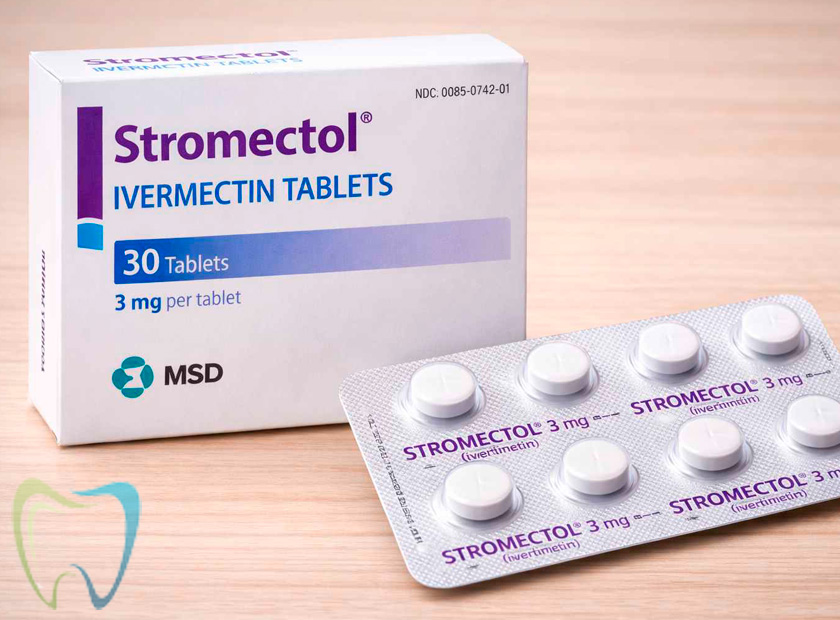
- By Dr. Emily A. Merkel, MD (Dermatologist)
- Medically reviewed by Dr. Amanda Onalaja, MD (Dermatologist)
Buy ivermectin (Stromectol) online — it paralyzes skin parasites and mites from the inside out. Effective for scabies, Demodex and rosacea treatment. Ivermectin is used when symptoms linked to parasites or mites require a proven medical approach. The treatment plan depends on the condition, the pattern of symptoms, and their severity. For this reason, ivermectin should not be chosen at random. The medication should match the underlying cause and the overall clinical picture.
What Is Ivermectin and What Conditions It Treats
Ivermectin is a prescription antiparasitic medication used in both oral and topical forms. It has been in medical use for decades and is well known for treating infections caused by certain parasites. The FDA-approved oral form (Stromectol) is used for conditions such as intestinal strongyloidiasis and onchocerciasis. Topical ivermectin is also used in dermatology, including for the inflammatory lesions of rosacea.
In simple terms, ivermectin works by targeting the nervous system of parasites. This leads to paralysis and death of the organism. In topical form, it can also help reduce inflammation. That is why ivermectin has a role in more than one area of treatment.
Depending on the condition, ivermectin may be used for parasitic infections, rosacea, and some off-label skin or eyelid concerns linked to Demodex. The exact form matters. Oral ivermectin and topical ivermectin are not interchangeable, and each one is used in a different clinical context.
In the United States, ivermectin is available by prescription. If you are trying to understand where to buy ivermectin, the first step is a licensed medical evaluation. Many patients now choose telemedicine when they want to buy ivermectin online, because it allows a clinician to review symptoms, confirm whether treatment is appropriate, and issue a prescription when needed.
Differences Between Topical and Oral Ivermectin
Oral and topical ivermectin are used in different ways and for different clinical goals. Oral ivermectin is absorbed into the bloodstream and works throughout the body. It is usually chosen when treatment needs to reach parasites beyond the skin surface. Topical ivermectin works mainly in the skin and is used more often in dermatology.
The right form depends on the condition being treated. Oral ivermectin is commonly used for parasitic infections such as strongyloidiasis and onchocerciasis. Topical ivermectin is better known for rosacea and other surface-level inflammatory skin concerns. In some Demodex-related cases, either form may be discussed, depending on where the symptoms appear and how severe they are.
Another difference is how treatment is structured. Oral ivermectin is often taken as a short course, sometimes as a single dose or a small number of doses. Topical treatment usually requires more consistency. It is applied over a longer period and may continue for several weeks before the full effect becomes clear.
There are also practical differences in day-to-day use. Oral ivermectin has dosing instructions that matter, including how and when it is taken. Topical ivermectin does not have the same systemic considerations, but it still needs correct application and regular use. The table below shows the main differences in purpose, route, duration, and typical use.
Parasitic Infections, Rosacea, and Other Uses
Ivermectin is used in more than one area of medicine, but the reason for treatment changes with the condition. In oral form, it is best known for parasitic infections. In topical form, it is used more often for inflammatory skin problems such as rosacea. This is why the same medication can appear in both infectious disease and dermatology care.
The best-established oral uses are intestinal strongyloidiasis and onchocerciasis. These are the FDA-approved indications for Stromectol. One practical reason ivermectin became so important is that treatment is often short and straightforward compared with longer regimens used for some other infections.
In dermatology, topical ivermectin 1% cream is used for the inflammatory lesions of rosacea. It is applied to the affected areas of the face once daily. In a head-to-head trial, ivermectin 1% cream performed better than metronidazole 0.75% cream for inflammatory rosacea lesions, which is why it remains a strong option in everyday practice. This comparative study is a better fit here than a general overview because it shows where ivermectin stands in real treatment decisions.
Ivermectin also comes up in Demodex-related discussions. That includes mite-related skin symptoms and, in some cases, eyelid inflammation. This does not mean every red or irritated eyelid needs ivermectin. It means the drug becomes relevant when mites are part of the clinical picture.
Another useful point is that the form matters more than many patients expect. Oral ivermectin is meant to work through the body. Topical ivermectin is meant to work at the skin level. They are not interchangeable, and the right choice depends on the diagnosis, the location of symptoms, and the treatment goal.
One more point is worth keeping simple: use only human formulations prescribed or recommended for your case. Animal ivermectin products are not held to the same standards for human use, and FDA specifically warns against using them.
How Demodex Is Linked to Eyelid Inflammation
Demodex mites are microscopic organisms that live in hair follicles and oil glands. Small numbers are common and usually do not cause trouble. Problems begin when the mite population grows and starts to irritate the skin and eyelid margins.
Around the eyes, this can lead to ongoing inflammation of the eyelids. Patients may notice itching, burning, crusting, and irritation that keeps coming back. This is one reason ivermectin becomes relevant in eye-area care, especially when Demodex is part of the clinical picture.
The connection between Demodex and rosacea also matters here. People with facial rosacea often have higher mite counts than expected. When mites contribute to both skin and eyelid symptoms, treatment may need to address more than one area at the same time.
Common Signs of Demodex Blepharitis
Demodex blepharitis often shows up as red, irritated eyelid margins with itching or a gritty feeling around the eyes. Some patients also notice crusting at the base of the lashes, especially in the morning. Recurrent styes or chalazia can be another clue when the problem keeps returning.
Warm compresses and lid hygiene may reduce discomfort, but they do not always solve the cause on their own. If symptoms persist, an ophthalmologist or dermatologist may look more closely at the lash line and decide whether antiparasitic treatment makes sense. For some patients, this is also the point where they begin to ask where to buy ivermectin through a licensed provider.
- Cylindrical dandruff on eyelashes.
- Red, swollen, or crusty eyelid margins.
- Chronic itching or burning around the eyes.
- Blurred vision from disrupted tear film.
- Frequent styes or chalazia that recur despite treatment.
How to Get an Ivermectin Prescription Online
If you are trying to understand where to buy ivermectin, the safest route is a licensed telemedicine visit. This gives you a medical review before treatment begins. Many patients now choose this option when they want to buy ivermectin online without adding an in-person clinic visit to the process. It is a practical way to discuss symptoms, confirm whether ivermectin fits the condition, and move forward with a prescription when appropriate.
Secure records
Follow-up support
Telehealth Dermatologists

People often ask where can i buy ivermectin without going to a physical clinic. Telehealth makes that possible. After a licensed evaluation, the prescription can be sent electronically to a U.S. pharmacy. Home delivery may also be available. The medical review follows the same basic standards as an office visit. The main difference is convenience.
If cost matters, generic oral ivermectin is still one of the more affordable prescription antiparasitic options. When you buy ivermectin online through a telehealth platform, you may also be able to use pharmacy discount cards. In many cases, a full course costs under $20.
Topical ivermectin cream usually costs more than the oral form. Brand-name Soolantra can be expensive without insurance. Generic topical options are now available, and they are usually much cheaper. If your clinician prescribes topical ivermectin, ask the pharmacy whether the generic is in stock. Not every location carries it automatically.
Some patients also ask about the difference between buying ivermectin online through telehealth and ordering from overseas pharmacies. The difference is important. U.S. telehealth platforms connect patients with licensed clinicians and licensed pharmacies. The medication is dispensed through regulated channels. Overseas purchases can carry real risks, including the wrong strength, poor storage, contamination, or counterfeit products.
Insurance coverage depends on the form and the reason for treatment. Generic oral tablets are often covered with a modest copay. Topical ivermectin for rosacea may need prior authorization. In some cases, the telehealth clinician can provide the documentation needed for approval.
How Ivermectin Is Chosen for Different Conditions
Ivermectin is used in more than one setting, but the form depends on what is being treated. Some conditions call for a systemic effect. Others need treatment that stays mainly at the skin level. This is why the choice between oral and topical ivermectin is based on the diagnosis, the location of symptoms, and how extensive the problem is.
In simple terms, tablets are more often used when treatment needs to work through the body. Topical therapy is more often used when the target is the skin surface or a localized inflammatory process. The sections below show where each form fits best and what usually guides that decision.
When Oral Ivermectin May Be Considered
Oral ivermectin is usually considered when the condition is parasitic, widespread, or difficult to manage with local treatment alone. It is also practical when applying a topical product to large areas would be hard or unrealistic. This is one reason many patients looking for where to buy ivermectin are actually asking about the oral form.
- A parasitic infection needs systemic treatment.
- Scabies is extensive or hard to control.
- Topical treatment has not worked well enough.
- A clinician needs a practical option for large treatment areas.
- A resistant or recurrent case calls for a different approach.
In these cases, dosing must be planned carefully. Oral ivermectin is weight-based, so it should not be guessed or copied from someone else’s regimen. This is one reason patients who want to buy ivermectin online should still go through a licensed medical review first. The right dose, timing, and follow-up depend on the condition being treated.
When Topical Treatment Is Used
Topical ivermectin is more often used when the main problem sits at the skin level. It is a common option for rosacea and other localized concerns where direct application makes more sense than systemic treatment. In practice, this route is often easier for patients whose symptoms are limited to one area.
- Rosacea affects the skin of the face.
- Symptoms are localized rather than widespread.
- The goal is to reduce surface inflammation and mite activity.
- A clinician wants to avoid unnecessary systemic exposure.
- The treatment plan calls for regular skin application over time.
Topical treatment usually takes more consistency than oral dosing. It is not a one-time fix. Patients often need several weeks of regular use before the full result becomes clear. It also has to be applied correctly. Even when people plan to buy ivermectin online, the exact form still matters, because oral tablets and topical cream are not interchangeable.
Where Ivermectin Stands Among Common Treatment Options
Ivermectin is often one of several treatment options, not the only one. In practice, the choice depends on the diagnosis, the treatment goal, and which form is most appropriate for the condition. This matters because the best alternative is not the same for rosacea, parasitic infections, and Demodex-related eyelid symptoms.
The comparison below shows where ivermectin usually fits and what clinicians may consider instead in common real-world scenarios.
In real care, this decision is less about which drug sounds stronger and more about which option fits the problem in front of you. One treatment may work better because it is topical. Another may be preferred because it is systemic. In some cases, cost, access, or ease of use also influence the plan.
If you are comparing options and wondering ivermectin where to buy, the form should not be chosen by guesswork. A clinician should decide whether oral ivermectin, topical treatment, or another therapy makes more sense for your condition. This is also why many patients who plan to buy ivermectin online start with a medical evaluation first.
Ivermectin Side Effects and Safety
Ivermectin is generally well tolerated when it is used correctly. Most side effects are mild and short-lived. The type of reaction often depends on the form being used. For full prescribing details, see the FDA label for Stromectol.
Oral ivermectin is more likely to cause systemic effects such as dizziness, nausea, or diarrhea. Topical ivermectin is more likely to cause local skin reactions, including mild burning, stinging, or dryness. In many cases, these effects improve on their own and do not require treatment to be stopped.
- Pregnant or breastfeeding women. Safety data are limited.
- Children under 15 kg. Not approved for this weight range.
- Patients with Loa loa co-infection. Risk of severe encephalopathy.
- Known hypersensitivity. Allergic reactions require stopping treatment.
- Liver disease (severe). Ivermectin is metabolized in the liver.
Drug interactions also matter. Oral ivermectin may interact with medications that affect liver metabolism or increase sedation. This is one reason your clinician should review your current prescriptions, supplements, and over-the-counter products before treatment begins.
Alcohol is best avoided on the day of oral dosing, especially if you are prone to dizziness or nausea. For most patients, side effects stay mild and pass within a short time. If symptoms do not improve, contact your prescribing clinician. If you develop facial swelling, trouble breathing, or a widespread rash, seek urgent medical care right away.
Most Common Patient Questions About Ivermectin
About The Author

Disclaimer
The information provided on this page is intended for general educational purposes only and does not constitute medical advice, diagnosis, or treatment. Health conditions, symptoms, and treatment responses vary significantly between individuals, and there is no universal approach suitable for every patient.
Medical decisions should only be made in consultation with a licensed healthcare professional who can evaluate your medical history, current medications, underlying conditions, and individual risk factors. Information on this page should not be used to determine treatment plans, medication selection, dosage, or to assess potential drug interactions.
This content is not a substitute for professional medical care. Before starting, modifying, or discontinuing any medication or therapy, you should seek guidance from a qualified physician, pharmacist, or other licensed clinician who can provide personalized medical advice based on a proper clinical assessment.
If you have questions or concerns regarding your health, treatment options, or medications, always consult a licensed medical professional.
Related Pages