

Buy Metformin Online for Blood Sugar and Weight Loss
Online Pharmacy | E-Prescriptions »
- By Dr. Nicholas Conley, MD (Family Medicine)
- Medically reviewed by Dr. Richa Garg, MD (Family Medicine)
Buy metformin online to help manage blood sugar, support gradual weight loss, and explore a well-studied option still used in PCOS treatment today. Used for decades worldwide, metformin remains one of the most established and affordable options in long-term metabolic care. Its value comes from predictable dosing, broad clinical experience, and practical everyday use.
How Metformin Works Inside Your Body
Metformin lowers blood sugar through three pathways at once. Patients who buy Metformin online often ask how exactly it works before starting therapy. First, it reduces the glucose your liver releases between meals. The liver stores glycogen and converts it back to glucose overnight. Metformin slows that conversion. Less sugar enters your bloodstream while you sleep or fast.
Second, it makes muscle and fat cells more sensitive to insulin. Cells absorb glucose more efficiently after meals. Post-meal sugar spikes drop without extra insulin production. This matters: metformin does not cause hypoglycemia on its own.
Third, metformin delays glucose absorption in the intestines. It activates an enzyme called AMPK. This enzyme plays a central role in cellular energy regulation. The National Library of Medicine describes AMPK activation as the primary mechanism here.
Together, these actions create balanced blood sugar control. Metformin works without stimulating extra insulin production. It does not exhaust the beta cells over time. Your body preserves its natural capacity for glucose regulation. That benefit sets metformin apart from many newer medications.
Fasting glucose readings often improve within one to two weeks. Over the following months, A1c values typically drop by one to 1.5 percentage points. The exact result depends on your starting level and adherence. Metformin addresses insulin resistance at the root. That is why it remains the foundation of diabetes treatment worldwide.
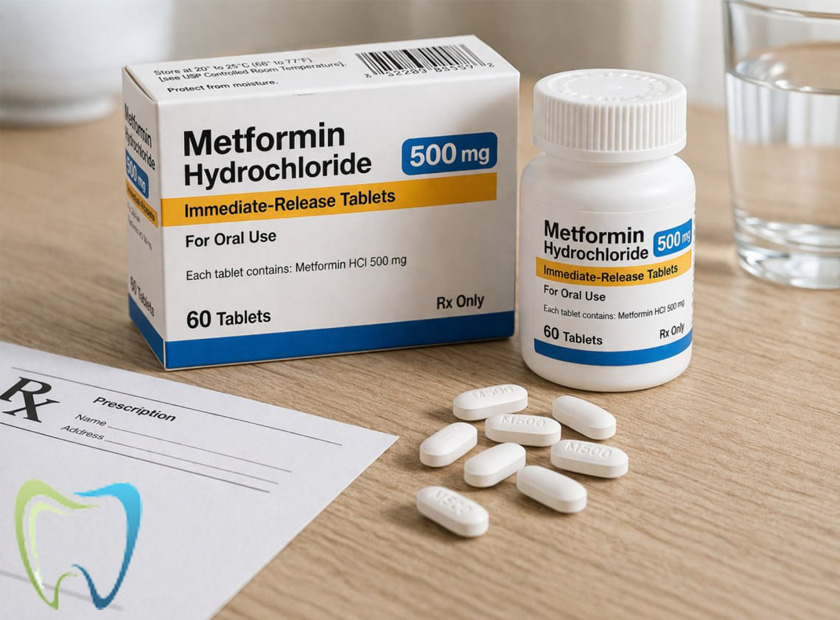
Most patients take metformin as a tablet. It comes in immediate-release and extended-release forms. Immediate-release acts faster but requires multiple doses. Extended-release provides steady levels through the day. Both versions contain the same active compound.
Another advantage is cost. Metformin is one of the least expensive diabetes medications available. Generic versions cost pennies per tablet at many pharmacies.
Metformin Uses Beyond Type 2 Diabetes
Metformin is FDA-approved for type 2 diabetes. Yet physicians prescribe it off-label for several other conditions. Each application relies on the same core mechanism: improving how the body handles insulin and glucose.
Prediabetes is one of the most common off-label uses. The American Diabetes Association recommends metformin for patients with added risk factors. These include a BMI over 35, gestational diabetes history, or rising A1c levels. Clinical trials show a 31 percent reduction in progression to full diabetes over three years.
Gestational diabetes is another recognized indication. Some providers prescribe metformin during pregnancy when diet alone fails. It crosses the placenta in small amounts. Physicians weigh benefits against risks for each patient individually.
Metabolic syndrome also responds well to metformin. Patients with central obesity, high triglycerides, and borderline glucose often improve. Multiple markers shift after consistent treatment.
Scientists are testing whether metformin can slow aging itself. The TAME trial will follow 3 000 adults aged 65–79 for four years. It measures whether metformin delays heart disease, cancer, and dementia as a group. The trial uses metformin because of its low cost and decades of safety data. Results will shape how medicine approaches aging in the future.
Non-alcoholic fatty liver disease is another area of active research. Insulin resistance contributes to fat buildup in the liver. Metformin may help by improving how the liver processes glucose. Some studies show reduced liver fat after six to twelve months. This indication is not yet FDA-approved but shows promise.
Metformin for Weight Loss: What to Expect
Unlike most diabetes treatments, metformin does not increase body weight. It often leads to modest but meaningful reductions. The typical range is two to five kilograms over six months. That represents a healthier metabolic baseline, not a crash diet.
The mechanism involves several factors. Metformin reduces appetite by affecting GLP-1, a hormone that signals fullness. It also changes how the body processes fats and sugars. Some researchers link it to shifts in gut bacteria composition. Patients often report feeling less hungry without conscious effort.
Set realistic expectations from the start. Metformin is not a standalone weight loss medication. The best results come from combining it with balanced eating and regular activity. Walking thirty minutes daily and reducing processed carbohydrates amplify the effect. Physicians monitor body composition changes, not just scale weight.
Does metformin cause weight loss for everyone? Not necessarily. Responses vary by baseline insulin resistance, caloric intake, and activity level. Most patients experience some appetite suppression and gradual reduction. That steady trajectory makes it appealing for long-term health.
Do not rely on scale weight alone. Measure your waist circumference weekly. Track fasting glucose and energy levels. These markers reveal metabolic changes before the scale moves.
Expect some fluctuation along the way. Weight may stall for a week or two, then drop. This is normal with gradual metabolic shifts. Patience and consistency deliver the best results.
Many patients who buy Metformin online choose it specifically for this metabolic benefit. GLP-1 receptor agonists produce larger weight reductions on average. However, metformin costs a fraction of the price and requires no injections. It remains an excellent starting point for sustainable weight management.
2 Month Metformin Weight Loss Results
What should you expect after two months on metformin? Results depend on your starting point, dosage, and habits. Clinical data offer a useful framework for those first eight weeks.
During weeks one and two, most patients notice reduced appetite. Fasting blood sugar drops slightly. Mild nausea or loose stools may appear temporarily. Weight loss is modest — often one to two pounds.
By week four, appetite suppression becomes more consistent. Cravings for sugary foods tend to decrease noticeably. Post-meal blood sugar stabilizes. Some patients see fasting glucose drop by 15 to 25 mg/dL. Weight loss averages three to five pounds with moderate exercise.
At the two-month mark, results become clearer. The Journal of Clinical Endocrinology and Metabolism reports an average loss of four to seven pounds in eight weeks. Waist circumference changes more than total body weight. This suggests metformin targets visceral fat first.
Individual variation is normal. Some lose more, others less. The trajectory matters more than any single weigh-in. If blood sugar improves and your waistline shrinks, the medication is working.
Keep a simple log during these eight weeks. Record morning glucose, weight, and appetite daily. Note any digestive symptoms and when they appear. It also helps you see patterns that might not be obvious day to day.
Photos can be more revealing than the scale. Take a front and side photo at weeks zero, four, and eight. Visceral fat loss often shows in posture and midsection shape. Many patients are surprised by visible changes before any significant number appears on the scale.
Signs Metformin Is Working for You
Many patients wonder how to tell if metformin is working. Unlike pain relievers, it acts gradually. Recognizing the signs early helps you stay motivated.
The clearest indicator is a drop in fasting blood sugar. Steady morning readings mean metformin is doing its job. A reduction of 20 to 40 mg/dL from baseline is a strong signal. Your physician will also track A1c over three months.
These changes appear within four to eight weeks. Not every patient notices all of them. Even two or three are a good sign. If blood sugar stays high after eight weeks at target dose, your provider may adjust treatment.
Consistency is key. Take metformin at the same time every day, with food. This maximizes absorption and minimizes digestive discomfort. Skipping doses interrupts the steady-state your body needs.
Blood pressure may also improve slightly. Insulin resistance raises blood pressure in many patients. As metformin improves metabolic function, some patients see lower readings. This is not the primary reason for prescribing it. However, it is a welcome secondary benefit. Your physician may note this change during follow-up visits.
Metformin for PCOS and Insulin Resistance
Polycystic ovary syndrome affects 8 to 13 percent of women of reproductive age. Insulin resistance is common in PCOS, but it is not the whole condition. Hormones, ovulation, and metabolic health are all involved. That is why metformin can be helpful in some cases, but it is not considered the main treatment for PCOS overall.
Metformin works best when insulin resistance is part of the picture. It helps the body respond to insulin more effectively and lowers excess circulating insulin. This can improve metabolic balance and may also lower androgen levels over time. For some women, that leads to more regular cycles, but the medication is mainly used to support the metabolic side of PCOS rather than serve as the primary therapy.
This distinction matters. Metformin does not directly treat every core feature of PCOS. It is usually added when insulin resistance, prediabetes, weight gain, or irregular ovulation are part of the problem. Other symptoms may still need separate treatment.
Weight management is another area where metformin may help. PCOS can make weight loss harder, especially when insulin resistance is present. Metformin may make progress easier, but it still works best alongside diet changes, regular activity, and long-term routine.
The American College of Obstetricians and Gynecologists recognizes metformin as an option for the metabolic features of PCOS. It may also be useful for women who cannot tolerate hormonal treatment. For patients managing insulin resistance as part of PCOS care, the decision to buy Metformin online should still begin with a proper diagnosis and a treatment plan from a licensed clinician.
It is also important to keep expectations realistic. Metformin may improve cycle predictability and insulin markers, but acne, unwanted hair growth, and other androgen-related symptoms often need separate treatment. In many cases, PCOS care works best when metformin is only one part of the plan.
Not every woman with PCOS needs metformin. Some do well with lifestyle changes alone. Others need hormonal treatment or fertility-focused care. The right approach depends on symptoms, lab results, and whether insulin resistance is actually present.
How to Buy Metformin Online from a Pharmacy
Metformin requires a valid prescription in the United States. This protects your health. A licensed physician evaluates kidney function, liver enzymes, and metabolic profile first. When you buy Metformin online through a reputable service, the standard of care is identical to an office visit.
Is buying through an online pharmacy reliable? Yes, if the platform verifies prescriptions and dispenses FDA-approved generics. Our telehealth service connects you with a board-certified physician. They review your history, order lab work, and confirm metformin is appropriate. The medication ships from a licensed pharmacy to your address.
Both common strengths are available at affordable prices. Metformin is one of the most cost-effective prescriptions in the US. Generic versions have been available for decades. Insurance often covers it with minimal copay. Even without insurance, the out-of-pocket cost stays low. Current pricing is below.
- 1
Schedule Your Online AppointmentBook a secure telehealth appointment to speak with a licensed clinician.
- 2
Online Video Consultation With Your ClinicianYour clinician will review your diabetes history, current blood sugar control, recent lab results, kidney function, and any medications you are taking.
- 3
Finalizing Your Treatment PlanIf clinically appropriate, your clinician may issue an electronic prescription. Medications arrive in discreet packaging within 2 to 4 business days.
Telehealth Family Medicine Physicians

Metformin Dosage and How to Take It Safely
Metformin usually starts at a low dose. For many adults, that means 500 mg once daily with food. Some patients begin with 500 mg twice daily. The dose is then increased gradually, often by 500 mg at a time, to improve tolerance and reduce stomach side effects.
The right dose depends on why metformin is being used, how well it is tolerated, and whether the patient takes the immediate-release or extended-release form. ER tablets release the medication more slowly and are often easier on the stomach. They may also make once-daily dosing possible for some patients.
Take metformin with meals whenever possible. This helps reduce nausea, bloating, and loose stools. Taking it on an empty stomach is more likely to cause GI discomfort, especially during the first few weeks.
If you miss a dose, take it when you remember unless your next dose is close. In that case, skip the missed dose and return to your normal schedule. Do not take two doses at once.
Because dosing can vary by indication, the table below gives a simple overview of common starting doses, usual target ranges, and maximum daily limits.
Your physician may also order periodic lab work, especially kidney function tests and B12 levels. Do not change your dose without medical supervision.
Storage is simple. Keep metformin at room temperature, away from heat and moisture, and leave it in the original container until use
Side Effects of Metformin You Should Know
Most metformin side effects are digestive and tend to improve as the body adjusts. Starting with a low dose and taking it with food usually makes the first weeks easier. The table below shows the effects patients notice most often and what usually helps.
A more serious concern is lactic acidosis, but it is rare. The risk is mainly higher in patients with severe kidney problems, significant liver disease, heavy alcohol use, or other conditions that affect how the body clears lactic acid.
Metformin does not usually cause weight gain, which is one reason it remains a practical long-term option for many patients. With the right dose and routine monitoring, most people tolerate it well.
Who Should Not Take Metformin
Metformin is well tolerated by most patients. However, certain conditions make it unsafe. Your doctor evaluates these factors during the telehealth consultation.
Heart failure history requires individual assessment. Newer evidence suggests metformin may benefit certain stable heart failure patients. Share your full medical history so your provider can decide safely.
Age alone is not a contraindication. Many patients over 70 take metformin successfully. Kidney function must remain adequate. Your physician monitors renal parameters more frequently and may lower the dose. The key is individualized care.
Travel and illness require attention. During severe dehydration, vomiting, or diarrhea, metformin should be paused. Dehydration increases lactic acidosis risk. Resume once you recover and are eating normally. Your physician can advise on specific situations.
Imaging procedures with contrast dye also require a pause. The iodinated dye affects kidney function temporarily. Stopping metformin 48 hours before the procedure is standard practice. Restarting depends on post-procedure kidney function tests. This is a precaution, not a permanent change.
Is Metformin Safe for Long-Term Use
Many patients ask whether metformin becomes harmful over time. In most cases, the answer is no. It has been used for decades and remains one of the most studied medications for blood sugar control. When kidney function is normal, long-term use is generally considered safe.
One reason metformin stands out is its long safety record. Researchers have followed patients on it for many years. Some studies have also linked metformin to a lower risk of certain diabetes-related complications, especially cardiovascular problems.
There is also growing interest in metformin beyond diabetes care. Some researchers are studying its possible role in aging, inflammation, and cellular health. These findings are still being explored, so they should not be overstated. Still, they show how closely this medication has been studied.
Long-term use does require routine monitoring. Your physician will usually check kidney function from time to time and may also monitor vitamin B12 levels, especially during extended treatment. A1c testing helps confirm that the medication is still doing its job. The FDA prescribing information outlines the main safety checks.
Kidney function matters more with age. If it declines, the dose may need to be reduced. In more advanced kidney impairment, metformin is usually stopped. That is why regular lab work stays important even when you feel well.
Metformin is not known for causing weight gain, and it is not generally linked to bone loss. For many patients, that makes it a practical option for long-term treatment. With proper follow-up, people often stay on it safely for many years.
Frequently Asked Questions About Metformin
About The Author

Dr. Nicholas Conley, MD is a board-certified family medicine physician serving patients in Franklin, Tennessee. He specializes in preventive medicine, chronic disease management, and addiction medicine, helping patients achieve long-term health through personalized, evidence-based care. Dr. Conley has advanced training in addiction medicine and provides comprehensive treatment for conditions including hypertension, diabetes, high cholesterol, and substance use disorders.
Disclaimer
The information provided on this page is intended for general educational purposes only and does not constitute medical advice, diagnosis, or treatment. Health conditions, symptoms, and treatment responses vary significantly between individuals, and there is no universal approach suitable for every patient.
Medical decisions should only be made in consultation with a licensed healthcare professional who can evaluate your medical history, current medications, underlying conditions, and individual risk factors. Information on this page should not be used to determine treatment plans, medication selection, dosage, or to assess potential medication interactions.
This content is not a substitute for professional medical care. Before starting, modifying, or discontinuing any medication or therapy, you should seek guidance from a qualified physician, pharmacist, or other licensed clinician who can provide personalized medical advice based on a proper clinical assessment.
If you have questions or concerns regarding your health, treatment options, or medications, always consult a licensed medical professional.
Related Pages