

Buy Rybelsus (Semaglutide) Online for Daily Glucose Control
Online Pharmacy | E-Prescriptions »
- By Dr. Nicholas Conley, MD (Family Medicine)
- Medically reviewed by Dr. Richa Garg, MD (Family Medicine)
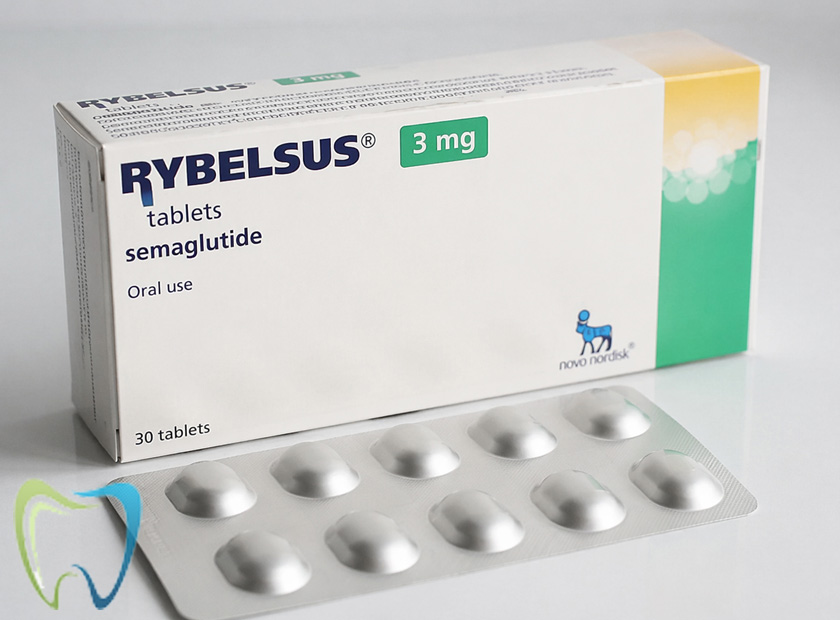
Buy Rybelsus online as an oral semaglutide tablet prescribed for type 2 diabetes management. Rybelsus is the only GLP-1 receptor agonist available in pill form. It works by increasing insulin release after meals and reducing appetite. Unlike injectable options, it is taken once daily by mouth. No needles are needed. The tablet must be swallowed on an empty stomach with a small sip of water. It is a prescription medication in the United States and requires evaluation by a licensed clinician before use.
What Is Rybelsus and Who Is It For
Rybelsus contains Semaglutide, a medication from the GLP-1 receptor agonist class. It helps lower blood sugar in adults with type 2 diabetes. The medication acts like a natural gut hormone that becomes active after meals. It helps the pancreas release insulin when glucose rises and reduces the amount of sugar the liver makes between meals.
The FDA approved Rybelsus in September 2019. It became the first oral GLP-1 treatment available for adults with type 2 diabetes. Before that, this medication class was only offered as an injection, which many patients found less convenient.
- Active ingredient: Semaglutide (GLP-1 receptor agonist).
- Available strengths: 3 mg, 7 mg, and 14 mg oral tablets.
- Manufacturer: Novo Nordisk.
- Approved for: type 2 diabetes in adults.
- Dosing: once daily on an empty stomach.
- Key advantage: oral treatment with no injections required.
Rybelsus is designed for adults whose blood sugar remains above target despite diet and exercise. It may also suit patients who already take Metformin but still need stronger glucose control. For some people, the main appeal is that it offers a way to buy Rybelsus online through a legitimate prescription process without moving straight to injectable treatment.
This medication is not right for everyone. Rybelsus is not approved for type 1 diabetes or for diabetic ketoacidosis. Patients with a personal or family history of medullary thyroid carcinoma should avoid it. The same warning applies to people with Multiple Endocrine Neoplasia syndrome type 2.
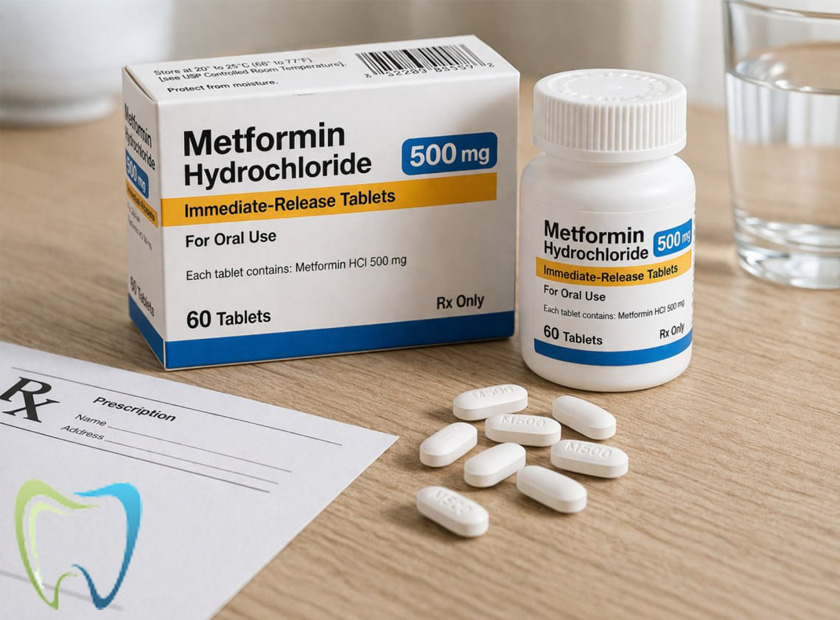
In practice, Rybelsus is often used together with Metformin. These medications work in different ways, which is why they are commonly paired. Metformin improves insulin sensitivity, while Rybelsus helps the body respond better when glucose levels rise. A clinician decides whether that combination fits your labs, treatment goals, and overall health profile.
Can Rybelsus Help With Weight Loss
Rybelsus is prescribed to improve blood sugar control in adults with type 2 diabetes. Weight loss is not its main treatment goal, but it is a common additional effect. Many patients notice that appetite becomes more manageable and portion sizes naturally get smaller over time.
This effect has been seen in clinical studies. In the PIONEER clinical trial program, patients taking 14 mg of oral Semaglutide lost an average of about 4 to 5 kg over 26 weeks. That result matters because excess weight often makes insulin resistance harder to control.
Rybelsus supports weight reduction in a gradual way. It helps regulate hunger signals in the brain and slows how quickly food leaves the stomach. As a result, many people feel full sooner and stay satisfied longer after meals. That can make daily eating patterns easier to control without feeling as hungry between meals.
For adults with type 2 diabetes, this added effect can be especially useful. Even modest weight loss may support better A1c levels, lower post-meal glucose spikes, and improve other metabolic markers. In that sense, weight control becomes part of the broader treatment benefit rather than a separate goal.
Weight loss with Rybelsus is usually gradual, not dramatic. That is often a good thing in diabetes care, because steady changes are easier to maintain. Results also depend on dose, baseline weight, eating habits, sleep, and activity level.
The best outcomes usually happen when the medication is part of a broader plan. Regular meals, enough protein, daily movement, and consistent sleep all support the effect. Rybelsus can make weight control more achievable, but long-term progress still depends on the habits that surround treatment.
How to Take Rybelsus the Right Way
Rybelsus only works as intended when it is taken correctly. This is one of the few diabetes medications where timing, water volume, and food intake all matter. If the routine is off, absorption can drop and the treatment may feel less effective than it actually is.
Take the tablet first thing in the morning on an empty stomach. Swallow it whole with no more than 4 ounces of plain water. Do not split, crush, or chew it. After that, wait at least 30 minutes before eating, drinking anything other than water, or taking other oral medications.
These instructions may seem strict, but they are part of how the medication is designed to work. Rybelsus is absorbed in a limited and highly controlled way. Even small changes in the morning routine can affect how much of the dose reaches the bloodstream. This is also worth keeping in mind when patients plan to buy Rybelsus online and start treatment at home, because success depends not only on the prescription but also on correct daily use.
Storage matters too. Keep the tablets at room temperature in the original blister pack until you are ready to take one. Do not move them into a pill organizer ahead of time. The formulation is sensitive to moisture, and the original packaging helps protect it.
If you miss a dose, skip it and take the next tablet the following day. Do not take two tablets at once. When traveling, it is usually reasonable to take Rybelsus in the morning according to the new local time zone. Consistency is more important than matching the exact hour from the previous day.
Why Rybelsus Must Be Taken on an Empty Stomach
Rybelsus contains Semaglutide, which is difficult to absorb by mouth. To make oral delivery possible, each tablet includes an absorption enhancer called SNAC. This ingredient helps create the conditions needed for Semaglutide to pass through the stomach lining instead of being broken down too early.
That process works best when the stomach is empty. Food can interfere with absorption, and too much water can also reduce how well the tablet performs. This is why the instructions are so specific. As explained in the official Rybelsus prescribing information, the tablet should be taken with no more than 4 ounces of plain water, followed by a wait of at least 30 minutes before food, beverages, or other oral medications.
In practice, a weak response is sometimes linked to technique rather than to the medication itself. A patient may assume the dose is too low, when the real issue is that the tablet is being taken incorrectly. A steady morning routine usually leads to more consistent results.
Where to Buy Rybelsus Online
Many patients choose to buy Rybelsus online for convenience, privacy, and easier access to follow-up care. In the United States, the process still begins with a valid prescription. No legitimate platform dispenses semaglutide without a medical review. If a website offers Rybelsus with no clinical screening, that is a warning sign.
A reliable way to buy Rybelsus online is through a licensed telehealth service or a properly accredited online pharmacy. These platforms usually connect patients with a clinician who reviews medical history, current medications, and diabetes treatment goals. If Rybelsus is appropriate, the prescription can be sent electronically to a pharmacy or fulfilled through the service itself, depending on the program.
When comparing options, focus on safety and transparency. The pharmacy should be licensed and easy to verify. The platform should clearly explain how the consultation works, what follow-up is included, and what the total cost covers. Patients who want to check the buy Rybelsus 3 mg price should remember that this is the starter strength, usually used at the beginning of treatment. Those comparing the buy Rybelsus 7 mg price are often looking at the first maintenance dose, which is commonly used after the initial adjustment period.
Do You Need a Prescription for Rybelsus
Yes. Rybelsus requires a prescription in the United States. Semaglutide affects blood sugar regulation, appetite, and gastric emptying, so a clinician needs to confirm that it fits your medical profile. That review may include your diagnosis, current treatment plan, kidney function, and possible medication interactions.
Some patients ask whether there is an over-the-counter option. There is not. Legitimate access to Rybelsus starts with a prescription, whether the visit happens in person or through telehealth. An online consultation can make the process easier, but the clinical standard should stay the same. A clinician still needs enough information to decide whether treatment is appropriate and how it should be started.
Patients who plan to buy Rybelsus online should also look at what happens after the prescription is issued. Follow-up matters with diabetes treatment. The strongest platforms make room for dose adjustments, side effect review, and lab monitoring when needed. That helps keep treatment practical, safe, and consistent over time.
- 1
Complete the Online IntakeStart by choosing an appointment time or filling out a secure intake form. You will provide basic health details, your diabetes history, current medications, and contact information.
- 2
Speak With a Licensed Clinician OnlineThe clinician reviews your blood sugar status, medical history, treatment goals, and possible contraindications to decide whether Rybelsus is appropriate.
- 3
Receive the Prescription and Next StepsIf treatment is approved, the prescription is sent electronically. The clinician explains how to begin therapy, when to follow up, and what to monitor during the first weeks.
Telehealth Family Medicine Physicians

Foods and Drinks to Avoid While Taking Rybelsus
Food choices can affect how comfortable treatment feels and how stable your results are. Rybelsus already changes how the stomach and appetite signals work. Because of that, certain foods may increase side effects or make glucose control less predictable. As mentioned earlier, the timing of food and drinks around the dose is important. Here, the focus is on what you eat during the day and how it interacts with the medication. High-fat and fried meals are often harder to tolerate, especially in the first weeks. Rybelsus slows gastric emptying, and heavy food can add to that effect. This may lead to nausea, fullness, or bloating. Lighter meals are usually easier to manage while the body adjusts.
Carbonated drinks can increase discomfort. They introduce gas into the stomach and may worsen bloating. For many patients, still beverages feel more comfortable. Water, non-carbonated drinks, and simple meals tend to work better early on. Alcohol should be used with caution. It can lower blood sugar on its own and may make levels less predictable. It can also irritate the stomach, which is already adapting to the medication. If alcohol is part of your routine, smaller amounts and careful timing are usually better tolerated.
Sugary foods and refined carbohydrates can work against the treatment. They cause быстрые spikes in blood sugar, which adds pressure to glucose control. Rybelsus helps manage these changes, but consistent high sugar intake reduces the overall effect. More balanced meals with protein, fiber, and fats tend to support steadier results.
Some patients also notice that strong coffee or acidic drinks feel harsher on the stomach, especially early in treatment. This is individual, but it is something to watch. Adjusting the type and timing of drinks can make the transition smoother. Over time, most people find a pattern that works for them. The goal is not strict restriction, but fewer triggers that increase side effects or disrupt glucose stability.
Rybelsus Dosage and How It Is Adjusted
Rybelsus follows a gradual dose escalation. This is not just a safety detail. It is part of how the medication is designed to work. Starting low helps the body adapt to semaglutide and reduces the risk of early side effects.
The official prescribing information outlines a step-by-step schedule. Each phase has a specific role. The goal is to balance effectiveness with tolerability.
Treatment always begins with 3 mg once daily. This stage prepares the digestive system. It is not expected to lower blood sugar in a meaningful way. Some patients feel discouraged at this point, but this phase is necessary for long-term success.
After 30 days, the dose increases to 7 mg. This is the first level where glucose control becomes noticeable. Many patients reach stable A1c improvement here. If the response is adequate and side effects are minimal, the dose may stay at this level.
If additional control is needed, the dose can increase to 14 mg after another 30 days. This is the maximum approved strength. It provides the strongest metabolic effect, but it may also increase the likelihood of nausea or GI discomfort.
Dose decisions are not fixed. They depend on lab results, daily tolerance, and overall treatment goals. Some patients remain at 7 mg long term. Others move to 14 mg for additional control. If side effects become difficult, stepping back to a lower dose is a reasonable option.
How 3 mg, 7 mg, and 14 mg Are Used in Practice
Each strength has a different role in treatment. The schedule is designed to move step by step, not to reach the highest dose as fast as possible. In practice, the right dose depends on how well blood sugar responds and how comfortably the medication is tolerated.
Patients who plan to buy Rybelsus online should pay attention to this schedule. Skipping steps or increasing the dose too quickly can lead to avoidable side effects. Following the standard titration plan usually leads to more stable results over time.
Rybelsus should not be combined with other GLP-1 receptor agonists. This includes injectable semaglutide, liraglutide, and dulaglutide. If a switch is needed, the timing should be planned with a clinician to avoid overlap.
What Happens in the First Weeks of Rybelsus Use
The first weeks on Rybelsus are an adjustment phase. Treatment starts with 3 mg, which prepares the body rather than actively lowering blood sugar. Glucose levels may not change much yet, and this is expected. The focus at this stage is tolerability and building a stable routine.
A reduced appetite is common early on. Many patients feel full sooner and eat smaller portions. Mild nausea can also appear, especially after larger meals. These effects are usually temporary and improve within the first couple of weeks. Smaller meals and regular hydration tend to make this period easier.
When the dose increases to 7 mg, symptoms can briefly return as the body adjusts again. This second phase is usually milder and shorter. Blood sugar monitoring becomes more useful at this point, as the medication begins to show its full effect and guides дальнейшие решения по лечению.
Side Effects and Safety Warnings
Rybelsus affects digestion, appetite, and how quickly food moves through the stomach. Because of this, most side effects are related to the gastrointestinal system. They usually appear early in treatment or after a dose increase, when the body is still adapting to semaglutide.
For many patients, these effects are predictable and manageable. The intensity is often mild and improves with time. The key is to understand which reactions are expected and which require attention. This helps avoid unnecessary concern while still staying aware of important warning signs.
Another point to keep in mind is that side effects often depend on eating patterns.
In practice, most patients deal only with mild and temporary symptoms. The main factor is how long they last and whether they interfere with daily routine. Stable, improving symptoms are usually part of normal adjustment, while worsening or persistent reactions need attention. If discomfort remains manageable, it often makes sense to continue and allow the body to adapt rather than stopping too early.
Do Rybelsus Side Effects Go Away Over Time
Most side effects follow a clear pattern. They appear early, peak during the first weeks, and then gradually improve. The same pattern can repeat after each dose increase, but usually in a milder form. Understanding this timeline helps set realistic expectations and avoid stopping treatment too early.
The most common effects during adaptation are nausea, reduced appetite, mild bloating, and changes in stool. These are linked to slower gastric emptying and shifts in appetite signaling. In most cases, they decrease as the body adjusts and do not require stopping treatment.
- Weeks 1–2: nausea and appetite changes are most noticeable.
- Weeks 3–4: symptoms usually become milder as the body adapts.
- After dose increase: a short adjustment period may return.
- Long term: most patients tolerate the medication without ongoing issues.
Simple adjustments can make this period easier. Smaller meals, slower eating, and avoiding heavy or high-fat foods often reduce nausea. Staying hydrated also helps, especially if appetite is low. A consistent morning routine with the medication supports more stable absorption and fewer fluctuations.
At the same time, some symptoms should not be ignored. Persistent vomiting, severe abdominal pain, or signs of dehydration require medical attention. These are not typical adaptation effects and should be evaluated early.
If symptoms remain mild, treatment is usually continued without changes. If they persist or interfere with daily routine, adjusting the dose or slowing escalation may help. Long-term intolerance is uncommon, but it is best addressed early to keep treatment consistent.
What Happens After You Stop Taking Rybelsus
Stopping Rybelsus should be planned with your clinician. The medication controls blood sugar while you take it, but it does not change the underlying mechanisms of type 2 diabetes. When it is stopped, its effect gradually fades. It is not recommended to discontinue treatment abruptly without a plan, because glucose control and appetite regulation can become less stable at the same time.
In most cases, changes develop over days to weeks. Blood sugar may begin to rise as semaglutide clears from the body. Appetite often returns to its previous level, and some patients notice gradual weight regain. This is expected and reflects how the medication works, not a problem with the treatment itself.
Type 2 diabetes is a chronic condition. Rybelsus helps manage it but does not eliminate insulin resistance or beta-cell dysfunction. This is why ongoing treatment or an alternative strategy is usually needed to maintain results. Stopping without a replacement plan often leads to a loss of the progress that was achieved during therapy.
If Rybelsus needs to be discontinued, your clinician can suggest other options or adjust the treatment plan. Some patients also review dosing to find a balance between effect and cost. Regular follow-up helps keep the approach consistent and avoids unnecessary changes in blood sugar control.
About The Author

Dr. Nicholas Conley, MD is a board-certified family medicine physician serving patients in Franklin, Tennessee. He specializes in preventive medicine, chronic disease management, and addiction medicine, helping patients achieve long-term health through personalized, evidence-based care. Dr. Conley has advanced training in addiction medicine and provides comprehensive treatment for conditions including hypertension, diabetes, high cholesterol, and substance use disorders.
Disclaimer
The information provided on this page is intended for general educational purposes only and does not constitute medical advice, diagnosis, or treatment. Health conditions, symptoms, and treatment responses vary significantly between individuals, and there is no universal approach suitable for every patient.
Medical decisions should only be made in consultation with a licensed healthcare professional who can evaluate your medical history, current medications, underlying conditions, and individual risk factors. Information on this page should not be used to determine treatment plans, medication selection, dosage, or to assess potential drug interactions.
This content is not a substitute for professional medical care. Before starting, modifying, or discontinuing any medication or therapy, you should seek guidance from a qualified physician, pharmacist, or other licensed clinician who can provide personalized medical advice based on a proper clinical assessment.
If you have questions or concerns regarding your health, treatment options, or medications, always consult a licensed medical professional.
Related Pages