

Buy Lisinopril (Zestril) Online for Heart Health
Online Pharmacy | E-Prescriptions »
-
- By Dr. Tania Ruiz Maya MD (Cardiologist)
- Medically reviewed by Dr. Abe Temidayo MD (Cardiologist)
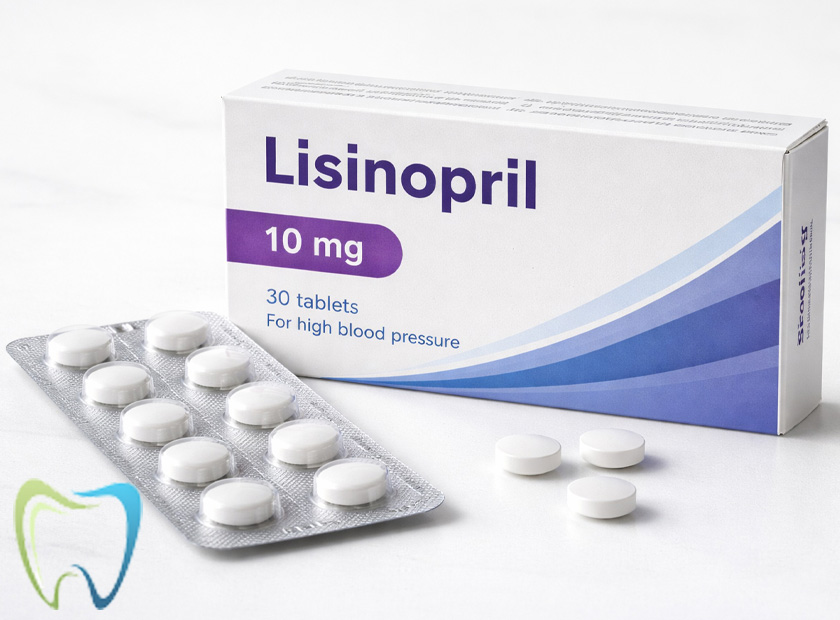
Buy Lisinopril (Zestril) online — a trusted ACE inhibitor for blood pressure control and cardiovascular protection with once-daily convenience. Lisinopril relaxes blood vessels and reduces the workload on your heart. Physicians prescribe it for hypertension, heart failure and kidney protection in diabetic patients. Available in 2.5 mg, 5 mg and 10 mg strengths to match your treatment plan.
When Lisinopril Is Prescribed
Lisinopril is prescribed mainly for high blood pressure. This is the most common reason patients are started on it. Hypertension often develops without obvious symptoms, so treatment is focused on lowering long-term cardiovascular risk rather than relieving a symptom a person can feel right away. The goal is to reduce ongoing strain on the heart, blood vessels, kidneys, and brain.
In routine care, Lisinopril is often chosen because it is taken once daily, has a long prescribing history, and fits well into standard treatment plans. It is also available as a generic, which makes long-term use more practical for many patients. For people comparing common treatment options or looking to Buy Lisinopril online, that balance of simplicity, familiarity, and availability is often one of the reasons the medication remains widely used.
Lisinopril may also be used beyond routine blood pressure control, but only in clearly defined clinical settings. In heart failure, it can help reduce the workload on the heart. After a heart attack, it may be included in treatment for selected stable patients as part of a broader recovery plan. As noted in the official DailyMed labeling for Lisinopril, the main U.S. indications include hypertension, adjunctive treatment of heart failure, and treatment following acute myocardial infarction.
Even so, prescribing is never based on diagnosis alone. A clinician also considers kidney function, hydration status, current medications, and the chance of side effects such as dry cough or low blood pressure. That is why Lisinopril may fit one patient well, but require a different approach in another.
How Lisinopril Lowers Blood Pressure
Lisinopril lowers blood pressure by helping blood vessels stay more relaxed. It blocks ACE, an enzyme involved in producing angiotensin II. This substance makes blood vessels tighten and increases pressure inside the circulation. When less of it is made, the vessels stay wider, blood moves with less resistance, and the heart does not have to push as hard.
In simple terms, Lisinopril reduces the signal that tells the body to keep the circulation tight. That is why the medication is used for steady blood pressure control and in some other cardiovascular situations. The effect is real, but it usually does not feel dramatic from the first dose.
Many patients expect to feel a blood pressure medicine working right away. Lisinopril usually does not create a strong physical sensation. Some people feel no clear change at all. Others notice less pressure in the head or feel better once their readings become more stable. What matters most is not a sudden feeling, but the pattern of blood pressure numbers over time. The MedlinePlus information for Lisinopril explains this treatment approach in plain language and also outlines basic precautions.
One point is especially important: Lisinopril is not a beta blocker. These medications are often confused because both can be used in cardiovascular care. But they do not work in the same way. A beta blocker mainly affects stress-related signaling and may slow the heart rate. Lisinopril works through a different pathway. Its main job is to reduce vessel tightening, not to directly control pulse.
It is also not a diuretic. It does not remove extra fluid the way hydrochlorothiazide does. That difference matters because patients often compare blood pressure medicines by condition alone and assume they all work the same way. They do not. Knowing that helps set better expectations and makes follow-up visits easier.
Lisinopril is also designed for steady control, not for a sudden drop in pressure. One reading does not tell the whole story. Clinicians look at trends, symptoms, and tolerance over time. For patients comparing strengths or asking where can i buy lisinopril 10 mg, the more useful question is whether that dose matches the treatment plan and the blood pressure pattern being followed.
How to Buy Lisinopril Online Safely
Many people who want to buy Lisinopril online are simply trying to make treatment easier to manage. In most cases, they are not looking for a new medication. They want the same prescription, the right strength, and a pharmacy process that feels clear and reliable. That is a practical reason to order online, but it still needs to follow the proper medical route.
In the United States, Lisinopril is prescription-only. That means safe online access still starts with a clinical review. The order should stay simple: evaluation first, prescription second, pharmacy fulfillment after that. Price, pack size, and delivery speed matter, but they come after the prescription has been confirmed.
Some patients search where can i buy lisinopril 10 mg because they want the exact dose already written into their treatment plan. That is a reasonable question, but the safer focus is broader. The real issue is whether the pharmacy is licensed, whether it can dispense the exact strength, and whether the refill process stays consistent from one order to the next.
A reliable online pharmacy should not skip medical screening or make prescription requirements sound optional. It should clearly show who is dispensing the medication, what dose is being filled, and how refills are handled. When those basics are in place, buying online becomes less about convenience alone and more about keeping treatment accurate, stable, and safe.
- 1
Choose Your Appointment Time OnlineBook a secure telehealth visit or refill review with a licensed clinician. Be ready to share recent blood pressure readings, kidney history, and any prior reaction to ACE inhibitors.
- 2
Online Consultation With Your ClinicianYour clinician decides whether Lisinopril is appropriate, what strength fits, and whether labs or closer monitoring are needed.
- 3
Send the Prescription to a Legitimate PharmacyOnce approved, the prescription can be sent to a local pharmacy or a licensed mail-order service. Compare pack size, refill convenience, and total cost at this stage.
Telehealth Cardiologists

People who buy Lisinopril online should still use the same filter they would use in person: is the dose right, is the pharmacy legitimate, and is the refill path stable enough to support long-term treatment. The FDA’s online pharmacy safety guidance is clear that prescription drugs should be purchased only from licensed pharmacies that require a valid prescription.
How Lisinopril Dosing Is Chosen
Lisinopril dosing is not the same for every patient. The right starting point depends on the blood pressure pattern, kidney function, age, current medications, and how likely the person is to feel a strong drop in pressure early on. That is why one patient may start lower, while another begins with a more standard dose.
For many adults with hypertension, 10 mg once daily is a common place to begin. But it is not the only option. A clinician may choose a lower dose when the start needs to be more cautious. This can happen if the patient is already taking a diuretic, is prone to dizziness, or may be more sensitive to treatment in the first days.
Another useful point is that tablet strength does not measure how “serious” the condition is. A lower dose does not mean the treatment is weak. A higher dose does not mean something is suddenly wrong. These strengths are simply tools that help the prescriber adjust the plan step by step.
In real practice, dosing is usually adjusted over time, not guessed in one visit. The first weeks are often about seeing how the body responds, checking home readings, and deciding whether the same dose should stay in place or move higher. If the pressure is still above target, the dose may be increased. If dizziness, weakness, or lab changes appear, the plan may need to slow down or shift.
That is also why it makes sense to be careful with refill quantity at the start. A longer supply may be convenient later, but early treatment is often still being fine-tuned. DailyMed describes 10 mg once daily as a common adult starting dose for hypertension, while lower starting doses may be used when appropriate and maintenance often falls in the 20 to 40 mg range once the dose is established.
Common and Serious Side Effects of Lisinopril
Like any blood pressure medication, Lisinopril can cause side effects. Most are manageable, but some deserve quicker attention. The best-known issue is a dry cough, though it is not the only reaction patients may notice.
Common side effects can include dizziness, headache, tiredness, mild nausea, and cough. Dizziness is often more noticeable at the start of treatment or after a dose increase. It may also feel stronger if the patient is dehydrated, has been sick, is sweating heavily, or is already taking a diuretic.
Dry cough is one of the side effects patients remember most. It is usually dry, not chesty, and often feels persistent rather than severe. Some people notice it early. Others develop it later. It does not mean the lungs are infected. It is a known effect of this medication class and can become more obvious at night or in quiet settings.
Not every side effect means the medication has to be stopped. Some people tolerate mild symptoms and continue treatment without much trouble. But if a cough becomes disruptive or daily dizziness does not settle, the treatment plan may need to be reviewed. In that case, the goal is not to push through discomfort. It is to find an option the patient can realistically stay on.
More serious reactions are less common, but they matter. Swelling of the lips, face, tongue, or throat can be a sign of angioedema and needs urgent care. Very low blood pressure with fainting or near-fainting also needs prompt medical review. A strong drop in urine output, major weakness, or abnormal lab changes may point to kidney or potassium problems that should not be ignored.
What to Do if Side Effects Appear
The first step is to stay calm and look at the type of symptom. Mild problems such as a light dry cough or brief dizziness may only need monitoring at first. But symptoms that interfere with daily life should be discussed with a clinician rather than ignored.
- Dry cough: bring it up at the next review if mild, or sooner if it starts affecting sleep or daily comfort.
- Dizziness: check blood pressure, make sure hydration is adequate, and contact your clinician if the symptom continues.
- Fainting or very low readings: this needs prompt medical review.
- Lip, face, or tongue swelling: stop the medication and seek urgent care right away.
- Reduced urine output or severe weakness: this should be discussed quickly and often requires lab follow-up.
A good side-effect section should make treatment feel clearer, not more frightening. Most patients will not face a serious emergency. But it helps to know which symptoms can be watched, which should be discussed, and which need urgent attention. That makes treatment safer and easier to manage.
It is also worth remembering that not every problem is obvious from symptoms alone. A person may feel fine while kidney function or potassium levels are already shifting. That is why follow-up sometimes includes lab checks, not just a discussion of how the medication feels.
What to Know Before Taking Lisinopril
Before taking Lisinopril, the first thing to know is that the starting point matters. A clinician should know your usual blood pressure pattern, current medications, and basic kidney status before treatment begins. This helps choose a more accurate first dose. It also makes follow-up simpler and reduces the risk of avoidable problems in the first weeks.
Lisinopril is usually straightforward to take, but it still needs a proper review before starting. This matters even more if the patient already takes other blood pressure drugs, has diabetes, tends to get dehydrated, or uses products that may affect potassium. Treatment should be based on the full medication picture, not on one blood pressure reading alone.
The most important contraindication is pregnancy. Lisinopril should not be used during pregnancy because it can harm the fetus. If pregnancy begins during treatment, the plan needs prompt review. Another major concern is prior angioedema. If a patient has had swelling of the lips, face, tongue, or throat related to an ACE inhibitor, Lisinopril is usually avoided.
Kidney function also needs attention before and after treatment starts. In many patients, Lisinopril can still be used appropriately, but monitoring matters. If creatinine rises too much or potassium becomes elevated, the dose may need to change. In some cases, the medication may need to be replaced.
One practical point matters too. Lisinopril is easier to assess when the daily routine is steady. Consistent dosing, home blood pressure readings, and follow-up at the right time make it easier to see whether the treatment is working or needs adjustment. This kind of preparation does not make treatment harder. It makes it safer and more predictable.
Lisinopril Interactions and What to Monitor
When patients ask what matters most during treatment, the answer is usually practical. With Lisinopril, the key issues are common pain relievers, potassium-related products, home blood pressure readings, and follow-up lab work. These are the factors most likely to affect how safely and how well the medication fits into daily life.
Some interactions do not look important at first. That is why they are often missed. A blood pressure medicine is not judged only by the prescription itself. It is also judged by what is taken with it and by how clearly the response is tracked over time.
A stable treatment plan depends on both numbers and context. If readings stay high, the next step may be a dose adjustment, a combination plan, or a closer look at adherence and refill consistency. If the medication is not fitting well, the reason matters. Sometimes the issue is the regimen itself. Sometimes it is an interaction, a side effect, or home readings that tell a different story than the office visit.
Common Patient Questions About Lisinopril
About The Author

Dr. Tania Ruiz Maya, MD is a board-certified cardiologist affiliated with Vanderbilt University Medical Center. She specializes in preventive cardiology, cardiovascular disease, advanced cardiac imaging, and non-invasive heart care. Dr. Ruiz Maya is dedicated to helping patients manage heart conditions, reduce cardiovascular risk factors, and improve long-term heart health through evidence-based, personalized treatment plans.
Disclaimer
The information provided on this page is intended for general educational purposes only and does not constitute medical advice, diagnosis, or treatment. Health conditions, symptoms, and treatment responses vary significantly between individuals, and there is no universal approach suitable for every patient.
Medical decisions should only be made in consultation with a licensed healthcare professional who can evaluate your medical history, current medications, underlying conditions, and individual risk factors. Information on this page should not be used to determine treatment plans, medication selection, dosage, or to assess potential drug interactions.
This content is not a substitute for professional medical care. Before starting, modifying, or discontinuing any medication or therapy, you should seek guidance from a qualified physician, pharmacist, or other licensed clinician who can provide personalized medical advice based on a proper clinical assessment.
If you are pregnant, planning pregnancy, have a history of angioedema, develop swelling, severe dizziness, fainting, or a major reduction in urine output while taking Lisinopril, seek medical guidance promptly. Emergency symptoms require urgent care.
Related Pages